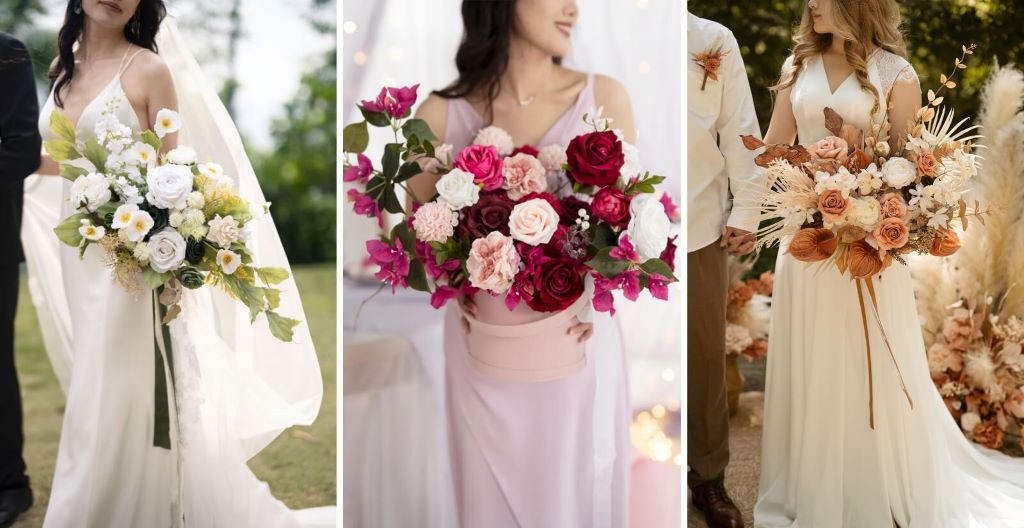
Your wedding bouquet is more than just a bundle of flowers—it’s a reflection of your personality, your love story, and the overall theme of your big day. I still remember the moment I held my bouquet for the first time. The way the colors and textures complemented my dress and the venue made everything feel cohesive and magical. Choosing the right bouquet can tie your entire wedding look together, creating a harmonious and memorable visual experience for you and your guests.
A well-chosen bouquet can elevate your wedding photos, enhance your bridal look, and even serve as a meaningful keepsake. If you’re feeling overwhelmed by the options, a reliable wedding bouquet guide can help you navigate the choices and find the perfect match for your theme and style. According to a survey by The Knot, over 60% of brides consider their bouquet to be one of the most important details of their wedding day look.
Why Your Wedding Bouquet Matters
Your wedding bouquet is one of the most photographed accessories of your big day. It appears in nearly every portrait, from the first look to the ceremony and reception. A thoughtfully chosen bouquet can enhance your dress, complement your venue, and even tell a story about your relationship. For example, incorporating flowers that have special meaning to you and your partner can add a personal touch to your day.
Additionally, your bouquet can set the tone for your wedding theme. Whether you’re going for a romantic, rustic, modern, or bohemian vibe, the right flowers and arrangement can help bring your vision to life. According to Brides Magazine, the average bride spends between $150 and $350 on her bouquet, making it a worthwhile investment for such an important detail.
For many brides, the bouquet also serves as a sentimental keepsake. Some choose to preserve their bouquets through drying or pressing, while others repurpose the flowers into new arrangements for their home. This makes your bouquet not just a beautiful accessory, but also a lasting memory of your special day.
Key Factors to Consider When Choosing Your Wedding Bouquet
Selecting the perfect wedding bouquet involves more than just picking your favorite flowers. Here are the key factors to consider to ensure your bouquet matches your theme and complements your overall look:
1. Wedding Theme and Color Palette
Your bouquet should align with the theme and color palette of your wedding. If you’re having a beach wedding, consider tropical flowers like orchids or hibiscus in bright, vibrant colors. For a rustic or country-themed wedding, wildflowers, daisies, or sunflowers can add a natural, earthy touch. A modern or minimalist wedding might call for sleek, structured arrangements with clean lines and a limited color palette.
Additionally, think about the colors in your wedding palette. Your bouquet should complement, not clash with, the colors of your dress, bridesmaids’ dresses, and other decor elements. If your wedding colors are soft pastels, opt for flowers in similar shades. If your palette is bold and vibrant, choose blooms that pop against your dress and surroundings.
2. Dress Style and Neckline
The style of your wedding dress and its neckline can influence the shape and size of your bouquet. For example, a ball gown with a sweetheart neckline might pair beautifully with a cascading bouquet, while a sleek, modern dress could be complemented by a small, structured posy. A high neckline or long sleeves might call for a smaller bouquet to avoid overwhelming your look.
Additionally, consider the fabric and details of your dress. If your gown has intricate lace or beading, a simpler bouquet with clean lines can let the dress shine. If your dress is more minimalist, a bouquet with varied textures and colors can add interest and depth to your look.
3. Season and Venue
The season and venue of your wedding can also guide your bouquet choice. Spring and summer weddings offer a wide variety of fresh, seasonal flowers like peonies, roses, and hydrangeas. Fall weddings might incorporate rich, warm tones with flowers like dahlias, chrysanthemums, or deep red roses. Winter weddings can feature evergreens, holly, or white anemones for a festive, elegant look.
Additionally, consider your venue. An outdoor garden wedding might call for a loose, organic bouquet with greenery and wildflowers, while an indoor ballroom wedding could be enhanced by a more structured, formal arrangement. If your venue has a specific color scheme or decor, try to incorporate those elements into your bouquet for a cohesive look.
4. Bouquet Shape and Size
The shape and size of your bouquet can dramatically impact your overall look. Here are some popular options:
- Posy: Small, round, and compact, perfect for a classic, timeless look.
- Cascading: Long, flowing stems create a dramatic, romantic effect, ideal for formal or vintage-themed weddings.
- Hand-Tied: Loose, natural, and organic, great for rustic or bohemian weddings.
- Round: Symmetrical and balanced, a versatile choice that works with many dress styles and themes.
- Composite: A single, large flower made from multiple blooms, creating a unique, eye-catching look.
Consider your body type and height when choosing the size of your bouquet. A larger bouquet can make a statement, but it may overwhelm a petite frame. A smaller bouquet can feel delicate and understated, but it might not have the impact you’re looking for in photos.
5. Flower Types and Meanings
The types of flowers you choose can add personal significance to your bouquet. Many flowers have traditional meanings, allowing you to incorporate symbolism into your arrangement. For example, roses symbolize love and romance, while peonies represent prosperity and good fortune. Lilies are often associated with purity and devotion, making them a popular choice for weddings.
Additionally, consider the texture and shape of the flowers. Mixing different types of blooms can add depth and interest to your bouquet. For example, pairing large, showy flowers like roses or peonies with smaller filler flowers like baby’s breath or waxflower can create a balanced, visually appealing arrangement.
6. Budget
Your budget can influence the types of flowers and the size of your bouquet. Some flowers, like peonies or gardenias, can be more expensive due to their seasonality or availability. Others, like roses or carnations, are more budget-friendly and widely available year-round. Additionally, the size and complexity of your bouquet can impact the cost. A larger, more intricate arrangement will likely be more expensive than a small, simple posy.
To get the most out of your budget, consider mixing high-end blooms with more affordable filler flowers and greenery. This can help you create a stunning bouquet without breaking the bank. Additionally, talk to your florist about in-season flowers, which are often more affordable and fresher than out-of-season options.
Popular Wedding Themes and Bouquet Ideas
Your wedding theme can serve as a guide for choosing the perfect bouquet. Here are some popular themes and bouquet ideas to inspire you:
1. Romantic and Classic
A romantic or classic wedding theme calls for timeless, elegant flowers. Roses, peonies, and hydrangeas are all excellent choices for this theme. Opt for soft, pastel colors like blush pink, ivory, or lavender to create a dreamy, romantic look. A round or cascading bouquet can add a touch of drama and sophistication.
Additionally, consider incorporating delicate details like lace or ribbon wraps around the stems. This can enhance the romantic feel of your bouquet and tie it into your overall wedding look.
2. Rustic and Country
For a rustic or country-themed wedding, think natural, organic, and earthy. Wildflowers, daisies, sunflowers, and baby’s breath are all great choices for this theme. Incorporate greenery like eucalyptus or ferns to add texture and depth. A hand-tied or loose, organic bouquet can complement the relaxed, natural vibe of a rustic wedding.
Additionally, consider using twine or burlap to wrap the stems of your bouquet. This can add a rustic touch and tie into the country aesthetic of your wedding.
3. Modern and Minimalist
A modern or minimalist wedding theme calls for clean lines, simple shapes, and a limited color palette. Opt for structured flowers like calla lilies, anemones, or orchids in monochromatic or neutral tones. A small, round posy or a sleek, structured arrangement can complement the minimalist vibe of your wedding.
Additionally, consider using geometric shapes or unique textures in your bouquet. This can add interest and depth to your arrangement while still maintaining a modern, minimalist look.
4. Bohemian and Eclectic
For a bohemian or eclectic wedding theme, think outside the box with your bouquet. Mix and match different types of flowers, colors, and textures to create a unique, eye-catching arrangement. Incorporate wildflowers, pampas grass, or even feathers for a free-spirited, boho look. A hand-tied or loose, organic bouquet can complement the relaxed, eclectic vibe of a bohemian wedding.
Additionally, consider adding personal touches like charms, ribbons, or heirloom pieces to your bouquet. This can make it even more meaningful and unique to your love story.
5. Vintage and Glamorous
A vintage or glamorous wedding theme calls for opulent, luxurious flowers. Roses, peonies, gardenias, and ranunculus are all excellent choices for this theme. Opt for rich, deep colors like burgundy, navy, or emerald green to create a dramatic, glamorous look. A cascading bouquet or a large, structured arrangement can add a touch of vintage elegance to your wedding.
Additionally, consider incorporating metallic accents or jewelry into your bouquet. This can enhance the glamorous feel of your arrangement and tie it into the vintage aesthetic of your wedding.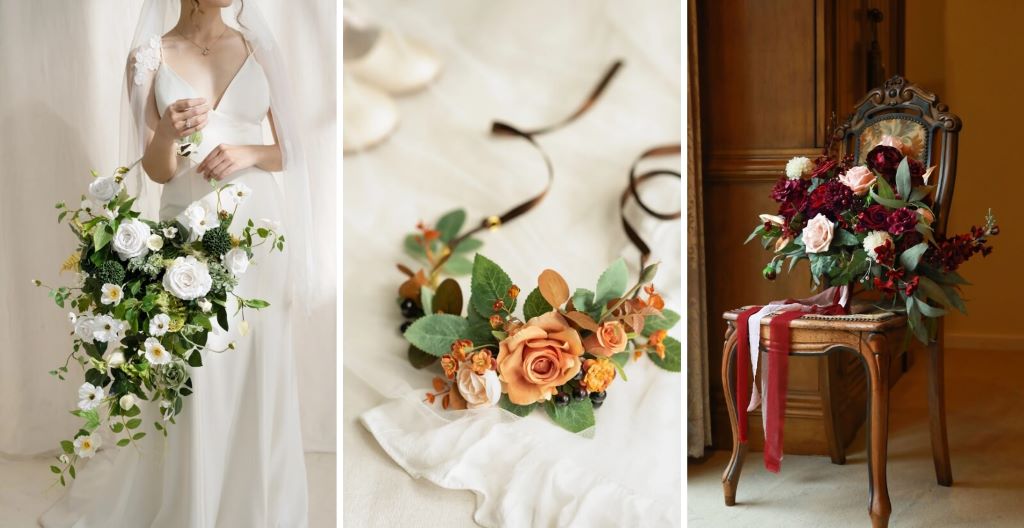
How to Work with Your Florist to Create the Perfect Bouquet
Working with a florist can help you bring your bouquet vision to life. Here are some tips for collaborating effectively:
1. Bring Inspiration
Before meeting with your florist, gather inspiration from magazines, Pinterest, or other weddings. Bring photos of bouquets you love, as well as examples of your wedding theme, dress, and venue. This will give your florist a clear idea of your vision and help them create a bouquet that matches your style.
Additionally, consider creating a mood board with your wedding colors, textures, and overall aesthetic. This can help your florist understand the bigger picture and create a bouquet that complements your entire look.
2. Be Open to Suggestions
While it’s important to have a vision for your bouquet, be open to your florist’s suggestions. They have the expertise and experience to recommend flowers that will work well with your theme, budget, and season. They may also suggest unique or unexpected blooms that you hadn’t considered but that would look stunning in your arrangement.
Additionally, trust your florist’s eye for design. They can help you balance different colors, textures, and shapes to create a bouquet that’s both beautiful and cohesive.
3. Consider the Season
Seasonality can impact the availability and cost of certain flowers. Talk to your florist about which flowers are in season during your wedding month, as these will likely be the freshest and most affordable options. If you have your heart set on a flower that’s out of season, ask your florist if they can source it or suggest a similar alternative.
Additionally, consider the weather and location of your wedding. If you’re getting married outdoors in the heat of summer, choose flowers that can withstand the elements. If your wedding is in a cooler climate, opt for blooms that thrive in those conditions.
4. Discuss Your Budget
Be upfront with your florist about your budget for the bouquet. This will help them recommend flowers and designs that fit within your price range. Additionally, ask about ways to maximize your budget, such as mixing high-end blooms with more affordable filler flowers or greenery.
Additionally, consider the cost of other floral arrangements, such as centerpieces, ceremony decor, and reception flowers. Your florist can help you allocate your budget effectively to create a cohesive look throughout your wedding.
5. Schedule a Trial Run
If possible, schedule a trial run with your florist to see a sample of your bouquet before the big day. This will give you a chance to make any adjustments or changes to ensure it’s perfect. Additionally, it can help you visualize how the bouquet will look with your dress and other accessories.
Additionally, consider doing a trial run with your hair and makeup as well. This can help you see how the entire look comes together and make any necessary adjustments before your wedding day.
Common Mistakes to Avoid When Choosing Your Wedding Bouquet
Even with the best intentions, it’s easy to make mistakes when choosing your wedding bouquet. Here are some common pitfalls to avoid:
1. Not Considering Your Dress
Your bouquet should complement, not compete with, your wedding dress. Avoid choosing a bouquet that’s too large, too colorful, or too busy if your dress has intricate details or a bold design. Instead, opt for an arrangement that enhances your look without overwhelming it.
Additionally, consider the neckline and silhouette of your dress. A high neckline or long sleeves might call for a smaller bouquet, while a strapless or off-the-shoulder dress can handle a larger, more dramatic arrangement.
2. Ignoring the Season
Seasonality can impact the availability, freshness, and cost of certain flowers. Avoid choosing a bouquet that relies heavily on out-of-season blooms, as these may be more expensive or difficult to source. Instead, work with your florist to incorporate in-season flowers that fit your theme and budget.
Additionally, consider the weather and location of your wedding. If you’re getting married outdoors in the summer, choose flowers that can withstand the heat and humidity. If your wedding is in a cooler climate, opt for blooms that thrive in those conditions.
3. Overlooking the Bouquet’s Weight
A large, heavy bouquet can be uncomfortable to carry throughout your wedding day. Avoid choosing an arrangement that’s too big or too dense, as this can cause strain on your arms and shoulders. Instead, opt for a bouquet that’s lightweight and easy to hold.
Additionally, consider the length of your ceremony and reception. If you’ll be holding your bouquet for an extended period, a smaller, lighter arrangement may be more comfortable.
4. Forgetting About Allergies
If you or your partner have allergies, be mindful of the flowers you choose for your bouquet. Some blooms, like lilies or baby’s breath, can trigger allergic reactions. Talk to your florist about hypoallergenic options or flowers that are less likely to cause issues.
Additionally, consider the pollen content of the flowers. Some flowers, like roses or tulips, have less pollen and are a safer choice for those with allergies.
5. Not Trusting Your Florist
Your florist is a professional with the expertise and experience to help you create the perfect bouquet. Avoid micromanaging or second-guessing their suggestions. Instead, trust their eye for design and their knowledge of flowers to create an arrangement that’s both beautiful and cohesive.
Additionally, communicate openly and honestly with your florist about your vision, budget, and any concerns. This will help them create a bouquet that matches your theme and exceeds your expectations.
Tips for Preserving Your Wedding Bouquet
Your wedding bouquet is a meaningful keepsake that you’ll want to preserve and cherish for years to come. Here are some tips for preserving your bouquet:
1. Air Drying
Air drying is one of the simplest and most popular methods for preserving your bouquet. To air dry your bouquet, hang it upside down in a cool, dry place with good air circulation. This can take anywhere from a few days to a few weeks, depending on the size and type of flowers in your arrangement.
Additionally, consider removing any foliage or flowers that may not dry well, such as hydrangeas or roses with thick petals. This can help prevent mold or damage to the rest of the bouquet.
2. Pressing
Pressing your bouquet is another popular preservation method. To press your bouquet, carefully disassemble the arrangement and place the flowers between sheets of parchment paper or a heavy book. Apply weight to the top of the book or paper to press the flowers flat. This can take several weeks, but the result is a beautiful, flat keepsake that you can frame or display.
Additionally, consider pressing individual blooms or leaves to create custom art or decorations. This can be a unique and meaningful way to incorporate your bouquet into your home decor.
3. Resin Preservation
Resin preservation involves encasing your bouquet or individual blooms in a clear resin to create a lasting, three-dimensional keepsake. This method can be more complex and may require the help of a professional, but the result is a stunning, durable piece that you can display and enjoy for years to come.
Additionally, consider creating resin jewelry or ornaments with small pieces of your bouquet. This can be a unique and personal way to keep a piece of your wedding day with you always.
4. Freeze Drying
Freeze drying is a professional preservation method that involves freezing your bouquet and then slowly removing the moisture in a vacuum chamber. This process can take several weeks, but the result is a bouquet that retains its shape, color, and texture for years to come.
Additionally, consider displaying your freeze-dried bouquet in a shadow box or glass case. This can help protect it from damage and create a beautiful, lasting memorial of your special day.
5. Create a Shadow Box
A shadow box is a beautiful and meaningful way to display and preserve your wedding bouquet. To create a shadow box, carefully arrange your bouquet or individual blooms in a deep, glass-fronted frame. You can also include other mementos from your wedding day, such as photos, invitations, or fabric swatches.
Additionally, consider adding a plaque or label to your shadow box with the date of your wedding or a special message. This can help create a personalized and meaningful keepsake that you’ll cherish for years to come.
Conclusion
Choosing the perfect wedding bouquet is an exciting and meaningful part of your wedding planning journey. By considering your theme, dress, season, and personal style, you can create a bouquet that’s both beautiful and unique to your love story. Working with a trusted florist and avoiding common mistakes can help you bring your vision to life and create a stunning accessory that complements your big day.
Remember, your bouquet is more than just a bundle of flowers—it’s a reflection of your personality, your love, and your commitment. Take your time, explore the options, and trust your instincts to choose a bouquet that feels right for you. With the right approach, your wedding bouquet can become a cherished keepsake that you’ll treasure for years to come.
Have you chosen your wedding bouquet? Share your tips, favorite flowers, or bouquet ideas in the comments below! If you found this article helpful, don’t forget to share it with your fellow brides-to-be. Here’s to a beautiful, memorable, and flower-filled wedding day!
FAQs
How do I choose a wedding bouquet that matches my theme?
Consider your wedding theme, color palette, dress style, and season when choosing your bouquet. Work with your florist to select flowers and designs that complement your overall look and create a cohesive, harmonious aesthetic.
What are some popular wedding bouquet shapes?
Popular bouquet shapes include posy, cascading, hand-tied, round, and composite. Each shape has its own unique look and can complement different dress styles and themes.
How do I incorporate personal meaning into my wedding bouquet?
Incorporate flowers that have special meaning to you and your partner, such as blooms from your first date or your favorite garden. You can also add personal touches like charms, ribbons, or heirloom pieces to make your bouquet even more meaningful.
How do I preserve my wedding bouquet?
There are several methods for preserving your wedding bouquet, including air drying, pressing, resin preservation, freeze drying, or creating a shadow box. Each method has its own unique benefits and results, so choose the one that best fits your preferences and needs.
How much should I budget for my wedding bouquet?
The cost of a wedding bouquet can vary widely depending on the types of flowers, the size and complexity of the arrangement, and your location. On average, brides spend between $150 and $350 on their bouquets. Talk to your florist about ways to maximize your budget and create a stunning bouquet within your price range.