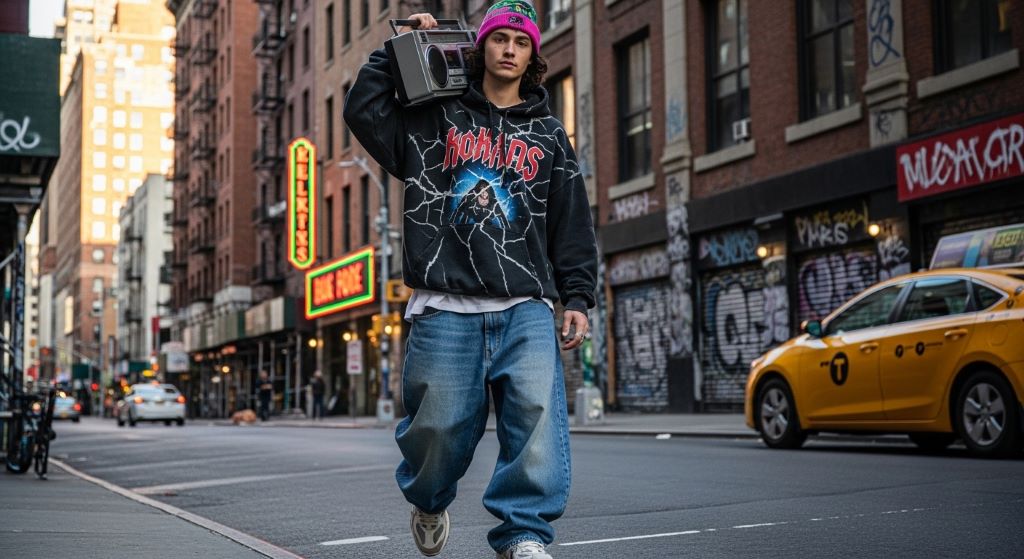
Fashion moves in cycles. What was cool decades ago has a way of coming back stronger than ever. Right now, the 90s and retro revival movement is dominating modern streetwear in a big way. From oversized hoodies to chunky sneakers, the past is everywhere you look.
However, decoding these trends is not as simple as pulling out your old clothes. Modern streetwear takes the best of the past and mixes it with fresh ideas. Understanding how to read these trends helps you wear them with confidence. This guide walks you through everything you need to know.
Why the 90s Keep Coming Back to Streetwear
The 90s were a defining decade for youth culture. Hip-hop, grunge, skateboarding, and basketball all left a massive mark on fashion. These subcultures produced a visual language that still feels powerful today. Therefore, it is no surprise that designers and brands keep returning to that era for inspiration.
There is also a strong emotional pull at work. Many young people today never lived through the 90s. For them, the era carries a sense of mystery and cool. Additionally, for those who did grow up in the 90s, nostalgia plays a major role. Seeing old logos and silhouettes brings back memories. That emotional connection drives demand.
Social media has also accelerated the cycle. Platforms like Instagram and TikTok make it easy for retro aesthetics to go viral overnight. A single post featuring vintage-inspired gear can spark a global trend. As a result, the 90s revival feels more intense now than ever before.
Key 90s Elements You Will Find in Modern Streetwear
To decode retro trends, you need to know what to look for. Certain design elements appear again and again in modern streetwear collections. Recognizing them helps you understand what a brand or look is referencing.
Oversized and Baggy Silhouettes
The 90s were all about volume. Baggy jeans, oversized flannels, and roomy hoodies defined the decade. Today, that same relaxed fit has returned in full force. However, modern versions are often more intentional in their proportions. Designers pair extra-wide pants with fitted tops to create balance. The result feels fresh rather than sloppy.
Bold Logos and Branded Graphics
Logo culture was huge in the 90s. Brands like Tommy Hilfiger, FILA, and Champion put their names front and center. That trend never really died, but it has come back even stronger now. Large chest logos, all-over prints, and heritage branding are everywhere in modern collections. Additionally, vintage brand logos are being revived by both original labels and newer streetwear names.
Chunky and Retro Sneakers
Perhaps no single item defines the retro revival more than chunky sneakers. Shoes with thick soles, exaggerated shapes, and vintage colorways have become one of the most popular categories in fashion. Brands like New Balance, Asics, and Nike have leaned heavily into their archive designs. Therefore, older silhouettes like the Nike Air Max 95 and New Balance 990 are now considered style staples.
Washed-Out and Vintage Color Palettes
The colors of the 90s were distinct. Muted earth tones, faded blacks, washed denim, and dusty pastels all had their moment. Modern streetwear borrows heavily from these palettes. You will often see intentionally faded or distressed pieces designed to look well-worn. This aged aesthetic is a direct nod to the retro era.
Windbreakers, Track Suits, and Technical Fabrics
Sportswear crossed over into everyday fashion heavily in the 90s. Nylon windbreakers, velour tracksuits, and athletic jerseys became street staples. That crossover is now a permanent fixture in modern streetwear. Today, technical outerwear with retro colorblocking and vintage athletic details remains a key trend in collections from major brands.
How to Read the Difference Between Authentic and Trendy Retro Style
Not all retro-inspired fashion is created equal. Some pieces capture the genuine spirit of the era. Others simply use surface-level cues to chase a trend. Learning to tell the difference helps you build a more meaningful wardrobe.
Authentic retro style usually comes from a real understanding of the original subculture. A brand that genuinely references 90s skate culture will get the details right. You will notice accurate silhouettes, correct proportions, and references that go deeper than a simple logo placement. In contrast, trend-chasing pieces often look the part at first glance but feel hollow up close.
Additionally, genuine retro style tends to mix new and old in a thoughtful way. It does not simply copy the past. Instead, it takes the energy and attitude of an era and reinterprets it for today. Therefore, when you are evaluating a piece, ask yourself whether it adds something new or simply repeats something old.
The Role of Subcultures in Shaping Retro Streetwear Trends
Streetwear has always been rooted in subculture. Understanding which subcultures are influencing a trend helps you decode it more accurately. The 90s gave rise to several major scenes, each with its own distinct visual style.
Hip-Hop Culture and Its Lasting Influence
90s hip-hop shaped streetwear more than any other single force. Artists like Tupac, Biggie, and Wu-Tang Clan popularized specific looks that still resonate today. Oversized band tees, Timberland boots, Carhartt workwear, and sports jerseys all trace back to this era. Modern streetwear brands regularly pull from this archive. You can see the influence clearly in collections from brands like Supreme, Fear of God, and Off-White.
Skate Culture and the DIY Aesthetic
90s skate culture brought a raw, do-it-yourself energy to fashion. Brands like Vans, Thrasher, and DC Shoes built their identities around anti-establishment attitude. That rebellious spirit is alive and well in modern streetwear. Additionally, the graphic tee remains one of the most direct links between skate culture and contemporary street style. Hand-drawn logos, irreverent imagery, and distressed finishes are all part of this DNA.
Grunge and the Flannel Comeback
Grunge emerged from Seattle in the early 90s and quickly became a global fashion force. Flannel shirts, ripped jeans, Doc Martens boots, and band tees were its signature pieces. Today, all of these items have made strong comebacks. However, modern grunge-influenced streetwear tends to be more curated. The pieces are the same, but the styling is more intentional and considered.

How Luxury Fashion Has Adopted the Retro Streetwear Aesthetic
One of the most interesting developments in recent years has been the blending of luxury fashion and retro streetwear. High-end designers have fully embraced the aesthetics of the 90s. This has changed how the trend is perceived and who it reaches.
Brands like Balenciaga, Vetements, and Gucci have released pieces that directly reference 90s workwear, athletic gear, and street culture. This gave the retro aesthetic a new level of cultural legitimacy. Additionally, it brought these styles to a wider and more affluent audience.
However, this crossover is not without criticism. Many argue that luxury brands commodify styles that originally emerged from working-class and minority communities. Understanding this tension helps you engage with retro streetwear more thoughtfully. Knowing where a style comes from adds depth to how you wear it.
Simple Ways to Incorporate Retro Revival Pieces Into Your Wardrobe
You do not need to overhaul your entire wardrobe to tap into the retro revival trend. A few well-chosen pieces can make a big impact. Here are some practical ways to work these styles into what you already own.
- Start with one statement sneaker in a chunky retro silhouette and build an outfit around it
- Add a vintage-logo crewneck or hoodie from a heritage brand as a versatile layering piece
- Try a pair of wide-leg or straight-fit jeans in a washed denim tone for an easy 90s nod
- Incorporate a nylon windbreaker in a retro colorblock pattern as outerwear
- Mix a graphic tee with more contemporary pieces to keep the look balanced
- Shop at thrift and vintage stores to find authentic era pieces that add genuine character
The key is to avoid wearing every retro trend at once. Mixing one or two vintage-inspired pieces with modern basics keeps the look current rather than like a costume. Additionally, fit matters more than ever. Oversized pieces should still have intention behind them.
Where to Shop for the Best Retro and 90s Inspired Streetwear
Finding the right pieces is part of the fun. There are many places to look, from established brands to independent vintage stores. Knowing where to shop helps you find quality pieces at various price points.
Heritage Brands Reviving Their Archives
Many legacy brands have tapped into their own archives to release retro-inspired collections. New Balance, Reebok, Fila, and Champion have all successfully revived older designs for a modern audience. Shopping these brands directly gives you access to pieces that have genuine historical roots. Additionally, these releases are often more affordable than designer alternatives.
Thrift and Vintage Stores
For truly authentic 90s pieces, thrift and vintage stores are your best resource. Shops that specialize in 90s and early 2000s clothing can be goldmines. You might find original pieces from brands that are now highly sought after. Therefore, regular visits to good vintage stores can turn up real gems at reasonable prices.
Online Resale Platforms
Platforms like Depop, Grailed, and eBay have massive inventories of vintage and retro clothing. You can search for specific items, brands, or decades. However, prices on resale platforms can vary widely. It pays to do your research before buying. Additionally, always check the condition notes and photos carefully to avoid disappointment.
Avoiding Common Mistakes When Wearing Retro Streetwear
Even well-intentioned retro outfits can miss the mark. There are a few pitfalls that come up regularly for people who are new to this style space. Knowing them in advance saves you from making avoidable errors.
- Wearing too many retro elements at once, which makes an outfit look like a costume rather than a style choice
- Ignoring fit, since baggy pieces still need to be worn with intention and proportion in mind
- Chasing every trend without developing a personal point of view or consistent aesthetic
- Buying fast fashion versions of retro pieces instead of investing in quality items that last
- Wearing retro references without understanding their cultural origins or significance
The most stylish people who wear retro streetwear do so with knowledge and intention. They understand the references they are making. As a result, their outfits feel authentic rather than borrowed.
Conclusion
Decoding 90s and retro revival trends in modern streetwear is about more than spotting baggy jeans and chunky sneakers. It requires understanding the subcultures, the emotional pull, and the design language behind each trend. When you know what to look for, you can engage with these styles on a deeper level.
The key elements to watch are oversized silhouettes, bold logo graphics, chunky retro sneakers, washed-out color palettes, and sportswear crossovers. Additionally, understanding the difference between authentic retro style and trend-chasing imitation helps you build a more personal and lasting wardrobe.
Therefore, whether you are shopping heritage brands, thrifting for originals, or mixing vintage finds with modern basics, approach retro streetwear with curiosity and respect. The past has plenty to offer. You just need to know how to read it.
Frequently Asked Questions
1. What defines 90s streetwear style?
90s streetwear is defined by oversized and baggy fits, bold logo branding, athletic crossovers, chunky sneakers, and a strong influence from hip-hop, skate, and grunge subcultures. Key pieces include graphic tees, baggy denim, windbreakers, sports jerseys, and workwear staples like Timberland boots and Carhartt jackets.
2. Why is 90s fashion so popular again?
The return of 90s fashion is driven by nostalgia, social media influence, and a broader cultural interest in retro aesthetics. Older millennials feel nostalgic for the era, while younger Gen Z consumers find it fresh and exciting. Additionally, social platforms like TikTok have made it easy for retro looks to go viral quickly, which accelerates the trend cycle.
3. How do I style 90s inspired pieces without looking outdated?
The key is mixing retro-inspired pieces with contemporary basics. Avoid wearing every 90s element at the same time. Instead, let one or two vintage-inspired items anchor the outfit while keeping the rest modern and clean. Fit awareness is also important. Oversized pieces should be worn with intention, not simply thrown on without consideration for proportion.
4. What are the best brands for retro and 90s streetwear?
Some of the best brands for retro and 90s streetwear include New Balance, Champion, Fila, Reebok, Carhartt, Vans, and Dickies for heritage authenticity. On the higher end, brands like Supreme, Stussy, and Fear of God blend retro references with modern streetwear credibility. Thrift and vintage stores remain the best source for original era pieces.
5. Is the retro streetwear trend here to stay?
Retro streetwear is not simply a passing fad. Fashion has always moved in cycles, and the 90s revival has proven unusually durable. As long as subcultures continue to influence mainstream fashion and nostalgia continues to drive consumer behavior, retro aesthetics will remain relevant. However, the specific elements that are most fashionable will shift gradually over time as the cycle continues.
Related Topics:
How to Style Black Bermuda Shorts with Neutral Footwear
Family Crests and Heraldry: How to Incorporate Heritage into a Custom Signet Ring