Mexico’s rich textile heritage spans thousands of years. Indigenous communities across the country have preserved ancient weaving techniques that now inspire contemporary fashion designers worldwide. These traditional fabrics tell stories of culture, identity, and artistic expression that continue to captivate the modern fashion industry.
The Cultural Significance of Mexican Textiles
Indigenous Mexican fabrics represent more than decorative materials. They embody centuries of tradition passed down through generations. Each pattern, color, and weaving technique carries specific meanings related to community identity, spiritual beliefs, and regional geography.
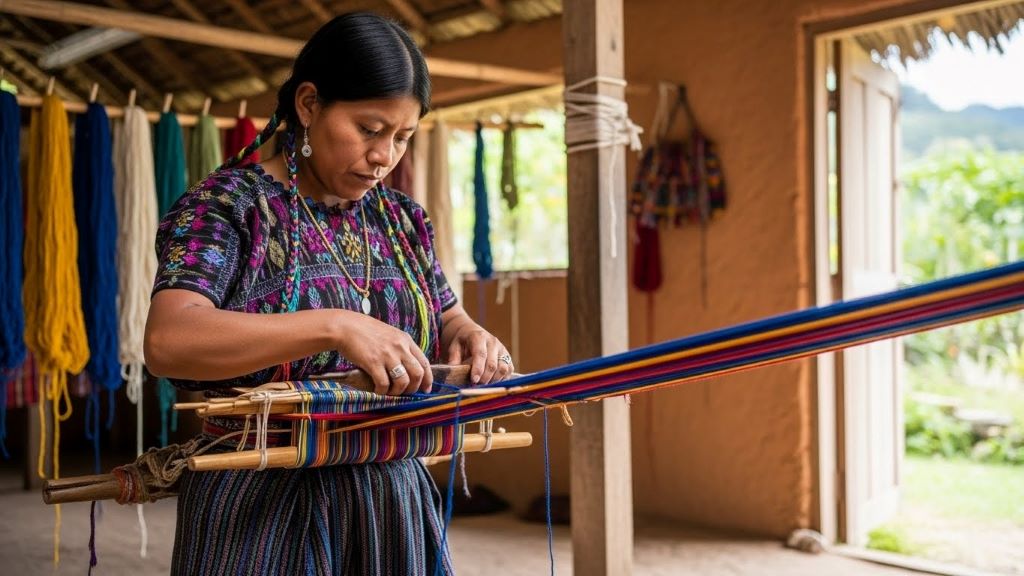
Traditional weavers use natural dyes extracted from plants, insects, and minerals. Additionally, they employ time-honored methods like backstrap looms that indigenous people have used for over 2,000 years. These practices create textiles with distinctive characteristics that machine production cannot replicate.
Popular Indigenous Fabrics in Contemporary Fashion
Huipil Textiles
The huipil represents one of Mexico’s most iconic garments. This traditional tunic features intricate embroidery and weaving patterns unique to specific regions. Fashion designers frequently incorporate huipil designs into modern blouses, dresses, and accessories.
Originally worn by indigenous women in Oaxaca, Chiapas, and the Yucatan Peninsula, huipils showcase elaborate geometric patterns and vibrant colors. However, each community produces distinct styles that reflect local traditions and beliefs.
Rebozo Shawls
Rebozo shawls demonstrate exceptional versatility in both traditional and modern contexts. These long woven scarves come from various Mexican states, with each region producing unique patterns and techniques. Therefore, fashion designers value rebozos for their adaptability in creating contemporary pieces.
The finest rebozos originate from Tenancingo, Santa Maria del Rio, and Morelos. Artisans spend months creating a single piece using complex ikat dyeing techniques. Consequently, authentic rebozos command premium prices in international fashion markets.
Saltillo Sarapes
Saltillo sarapes feature bold geometric designs and striking color combinations. These woven blankets from Coahuila state have influenced fashion designers seeking dramatic patterns. The distinctive diamond-shaped center motif appears in modern jackets, coats, and home textiles.
Moreover, the sarape’s construction requires considerable skill and patience. Weavers create these textiles on traditional floor looms, producing pieces that can measure up to two meters long.
Otomi Embroidery
Otomi embroidery from Hidalgo state showcases colorful nature-inspired designs. Animals, flowers, and fantastical creatures populate these hand-stitched textiles. Fashion brands increasingly feature Otomi patterns on everything from handbags to footwear.
The Otomi people traditionally embroidered these designs on cotton fabric using wool thread. Currently, this technique has evolved to include synthetic materials while maintaining traditional motifs and composition principles.
How Designers Incorporate Indigenous Fabrics
High Fashion Adaptations
Luxury fashion houses have discovered the appeal of Mexican indigenous textiles. Designers incorporate traditional fabrics into haute couture collections, runway shows, and limited edition pieces. This exposure brings international recognition to Mexican textile arts.
However, this intersection of traditional crafts and high fashion raises important questions about cultural appreciation versus appropriation. Many designers now collaborate directly with indigenous communities to ensure fair compensation and proper attribution.
Sustainable Fashion Movement
Indigenous Mexican fabrics align perfectly with sustainable fashion principles. The natural dyes, handmade production methods, and durable construction appeal to environmentally conscious consumers. Furthermore, supporting traditional artisans helps preserve cultural heritage while providing economic opportunities.
According to The New York Times, the fashion industry increasingly recognizes the value of traditional textile techniques as alternatives to mass production. These methods produce less waste and rely on renewable resources.
Streetwear and Casual Fashion
Beyond luxury markets, indigenous Mexican fabrics influence streetwear and casual fashion. T-shirts, hoodies, and sneakers feature traditional patterns adapted for contemporary aesthetics. This mainstream adoption introduces younger generations to Mexico’s textile heritage.
Additionally, Mexican-American designers often blend indigenous motifs with urban style elements. This fusion creates unique fashion statements that celebrate cultural identity while embracing modern trends.
Regional Textile Traditions
Oaxaca’s Weaving Legacy
Oaxaca produces some of Mexico’s most celebrated textiles. The region’s indigenous Zapotec and Mixtec communities maintain strong weaving traditions. Their wool rugs and woven fabrics display bold colors and complex geometric patterns.
Teotitlan del Valle serves as a major weaving center where families operate workshops using pre-Hispanic backstrap and pedal looms. These artisans continue experimenting with designs while honoring ancestral techniques.
Chiapas Highland Textiles
Chiapas highland communities create textiles featuring symbolic motifs representing cosmological beliefs. The tzotzil and tzeltal Maya people produce distinctive woven and embroidered pieces. Their color choices and pattern arrangements communicate specific cultural meanings.
Moreover, each community maintains unique textile signatures. Visitors can identify a weaver’s hometown by examining garment details and color combinations.
Yucatan Peninsula Embroidery
The Yucatan Peninsula specializes in delicate embroidery techniques. White cotton garments decorated with colorful floral patterns characterize this region’s textile tradition. These designs have inspired resort wear and summer fashion collections worldwide.
Ethical Considerations in Fashion
Fair Trade Practices
Fashion brands working with indigenous textiles must prioritize fair trade practices. Artisans deserve proper compensation for their skilled labor and creative contributions. Therefore, ethical companies establish direct relationships with weaving communities and pay living wages.
Organizations like UNESCO promote programs that protect traditional crafts while supporting artisan livelihoods. These initiatives ensure indigenous communities benefit from their textile heritage’s commercial success.
Cultural Attribution
Proper attribution represents another critical consideration. Designers should acknowledge the indigenous communities whose traditions inspire their work. This recognition preserves cultural knowledge and respects intellectual property rights.
Many indigenous groups now trademark their distinctive patterns and techniques. This legal protection helps prevent unauthorized commercial exploitation of traditional designs.
Community Collaboration
Successful collaborations between designers and indigenous communities create mutual benefits. Artisans gain market access and economic opportunities while designers obtain authentic materials and techniques. Additionally, these partnerships often include skill-sharing programs that strengthen traditional practices.
The Future of Indigenous Fabrics in Fashion
Growing Market Demand
Consumer interest in authentic, handcrafted products continues rising. Shoppers increasingly value items with cultural significance and sustainable production methods. Consequently, indigenous Mexican fabrics enjoy expanding market opportunities globally.
E-commerce platforms now connect artisans directly with international customers. This digital access reduces dependency on intermediaries and increases artisan profits.
Innovation and Tradition
Young indigenous artisans balance innovation with tradition. They experiment with new color combinations, pattern scales, and material applications while maintaining core techniques. This creative evolution ensures traditional textiles remain relevant for contemporary markets.
Furthermore, fashion schools in Mexico now include indigenous textile studies in their curricula. This education fosters appreciation and understanding among emerging designers.
Global Recognition
International fashion weeks increasingly showcase Mexican indigenous textiles. This visibility elevates Mexico’s cultural contributions to global fashion conversations. However, the challenge remains ensuring indigenous communities receive appropriate recognition and compensation.
Conclusion
Indigenous Mexican fabrics offer fashion designers rich sources of inspiration rooted in centuries of tradition. From huipils and rebozos to Otomi embroidery and Saltillo sarapes, these textiles carry cultural significance that transcends mere decoration. As the fashion industry embraces sustainability and ethical production, indigenous fabrics provide compelling alternatives to mass-manufactured materials. Moving forward, successful integration of these traditional textiles requires respectful collaboration, fair compensation, and proper attribution to indigenous communities. By honoring these principles, fashion can celebrate Mexico’s textile heritage while supporting the artisans who keep these traditions alive.
Frequently Asked Questions
What are the most common indigenous Mexican fabrics used in fashion?
The most common indigenous Mexican fabrics include huipil textiles, rebozo shawls, Saltillo sarapes, and Otomi embroidery. Each comes from specific regions and features unique patterns, colors, and weaving techniques that designers incorporate into contemporary fashion pieces.
How can consumers ensure they purchase authentic indigenous Mexican textiles?
Consumers should buy directly from artisan cooperatives, certified fair trade organizations, or retailers that provide transparent sourcing information. Look for detailed descriptions about the textile’s origin, the community that created it, and evidence of fair compensation to artisans.
What makes indigenous Mexican fabrics sustainable?
Indigenous Mexican fabrics use natural dyes, handmade production methods, and traditional techniques that minimize environmental impact. The durable construction ensures longevity, while supporting artisan communities preserves cultural heritage and provides alternative livelihoods to industrial manufacturing.
Is it cultural appropriation to wear clothing made from indigenous Mexican fabrics?
Wearing indigenous Mexican fabrics becomes problematic when designs are copied without permission, attribution, or compensation to originating communities. However, purchasing authentic pieces directly from artisans or through ethical brands that collaborate with indigenous communities represents cultural appreciation and economic support.
How long does it take to create traditional Mexican textiles?
Creation time varies significantly based on textile type and complexity. Simple pieces might take several days, while elaborate rebozos or huipils can require weeks or months. The most intricate textiles involve hand-spinning thread, natural dyeing processes, and detailed weaving or embroidery work.
Related Topics:
What Shoes to Wear with a Dirndl: A Complete Guide
The Ultimate Guide to Styling a Corduroy Jacket: A Timeless Classic Reimagined