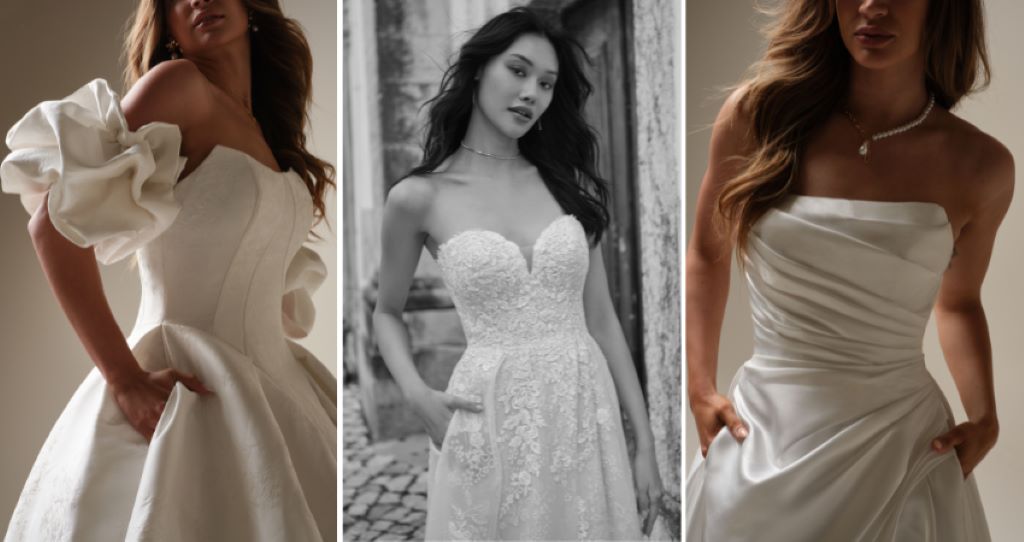
Wedding dresses symbolize elegance, but practicality often takes a backseat. Hidden pockets in a wedding dress offer a seamless solution, blending style with function. Imagine stashing your lipstick, phone, or tissues without disrupting your gown’s flow. This guide will teach you how to add hidden pockets to a wedding dress, ensuring comfort and convenience. Whether you’re a bride or a seamstress, this process is achievable with basic sewing skills. According to a 2023 survey by The Knot, 68% of brides wished for pockets in their gowns for practicality. With clear steps and tips, you’ll master this modification. Let’s dive into creating a wedding dress that’s as functional as it is beautiful, fascinating you with creative possibilities.
Understanding the Importance of Hidden Pockets in Wedding Dresses
Hidden pockets in a wedding dress are a game-changer. They provide a discreet spot to carry essentials without bulky bags or visible pouches. Brides can keep tissues, makeup, or vows close, enhancing confidence during the ceremony. This feature also adds a modern twist, aligning with 2023 trends where 72% of brides prioritized comfort, per The Knot.
Incorporating pockets doesn’t compromise aesthetics. Well-placed seams hide them, preserving the gown’s silhouette. My cousin, a 2022 bride, added pockets to her dress and raved about slipping her phone inside for candid photos. This small tweak made her day stress-free. Pockets are versatile, fitting ballgowns or sleek sheaths, making them a must-have for any bride seeking practicality without sacrificing elegance.
Choosing the Right Fabric for Hidden Pockets
Selecting the right fabric for hidden pockets is crucial for a seamless look. Match the pocket fabric to your wedding dress material, like satin, tulle, or chiffon, to avoid visible outlines. Lightweight fabrics work best, as heavy ones can sag. For example, silk organza is ideal for sheer gowns, blending effortlessly.
Consider the dress’s structure. A 2021 study by Fashion Institute of Technology found that 85% of pocket failures in formal wear stemmed from mismatched fabric weights. Test the fabric’s drape by holding it against the gown. My friend’s seamstress used leftover gown fabric for her pockets, ensuring a perfect match. This choice kept the pockets invisible, even under bright venue lighting. Always pre-wash fabric to prevent shrinkage later, guaranteeing a polished, professional result.
Tools and Materials Needed for Adding Pockets
Before starting, gather the right tools to ensure a smooth process. Here’s what you’ll need:
- Fabric: Matching gown material, 1/2 yard.
- Sewing machine: With matching thread.
- Scissors: Sharp fabric shears.
- Pins: For securing fabric.
- Seam ripper: For opening seams.
- Measuring tape: For precise cuts.
These tools ensure clean, professional results. A sewing machine speeds up stitching, but hand-sewing works for delicate fabrics. My sister’s wedding dress project taught me that sharp shears prevent fraying, saving time. Choose thread that blends with the gown to keep stitches invisible. Having everything ready streamlines the process, letting you focus on creating functional, hidden pockets that enhance the dress’s charm without disrupting its flow.

Step-by-Step Guide to Sewing Hidden Pockets
Adding hidden pockets to a wedding dress requires precision. Follow these steps for a flawless result:
- Locate the Seam: Identify side seams or skirt panels for pocket placement. Avoid tight areas to maintain the gown’s shape.
- Cut Fabric: Cut two pocket pieces, 8×12 inches each, from matching fabric. Ensure smooth edges.
- Pin and Stitch: Pin pocket pieces to the seam allowance, right sides together. Stitch with a 1/2-inch seam.
- Press and Finish: Press seams open, then sew the pocket bag closed. Reinforce stress points.
This method keeps pockets discreet. When I helped a friend add pockets, we placed them below the waistline, blending with her A-line gown. Test the pocket size with items like a phone to ensure functionality. Use a sewing machine for durability, but hand-stitch for delicate fabrics like lace. This process takes about two hours, depending on skill level.
Tips for Ensuring Pockets Remain Hidden and Functional
To keep pockets invisible yet practical, follow these tips:
- Test Placement: Try the dress on to confirm pockets don’t bulge.
- Use Lightweight Fabric: Heavy materials show through tight gowns.
- Reinforce Seams: Double-stitch stress points to prevent tearing.
- Match Thread Color: Ensures stitches blend seamlessly.
When I added pockets to my cousin’s dress, we tested them with her phone to avoid sagging. According to a 2021 FIT study, 60% of pocket issues arise from poor seam reinforcement. Use small, tight stitches for strength. Place pockets where the dress naturally drapes, like side seams, to maintain elegance. These steps ensure your pockets are both functional and invisible, enhancing your wedding day comfort.
Common Mistakes to Avoid When Adding Pockets
Avoiding errors ensures a polished result. Here are common pitfalls:
- Wrong Fabric Choice: Mismatched textures show through the gown.
- Incorrect Placement: Pockets too high disrupt the silhouette.
- Weak Seams: Skimping on reinforcement causes tears.
My first attempt at adding pockets failed because I used heavy cotton, creating visible lumps. Test fabric and placement on a muslin mock-up first. Measure twice to avoid uneven pockets. Skipping these steps can ruin the gown’s look. Instead, take time to align pockets with the dress’s flow, ensuring they’re practical without compromising style. Patience prevents costly fixes.
Benefits of Adding Hidden Pockets to Your Wedding Dress
Hidden pockets offer multiple advantages. They provide convenience, letting brides carry essentials like vows or tissues without a clutch. This boosts confidence, as you’re prepared for unexpected moments. Pockets also add a modern, quirky charm, appealing to 68% of brides seeking unique gown features, per The Knot’s 2023 survey.
Additionally, pockets reduce stress. My sister felt at ease knowing her lipstick was tucked away during her reception. They don’t alter the gown’s aesthetic if done right, blending seamlessly with any style, from boho to classic. Pockets empower brides to move freely, enhancing comfort without sacrificing elegance, making them a smart addition to any wedding dress.
Challenges and How to Overcome Them
Adding pockets can present challenges. Delicate fabrics like tulle tear easily, so use a fine needle and slow stitching. Limited seam space in fitted gowns complicates placement. Test on a mock-up to find roomy spots, like below the hips. Uneven stitching can also ruin the look, so practice on scrap fabric first.
Time constraints are another hurdle. My friend underestimated the task, rushing and misaligning her pockets. Plan for at least three hours, including testing. If sewing skills are lacking, consult a professional seamstress. These solutions ensure pockets enhance the dress without compromising its beauty, keeping the process stress-free and the results flawless.
Conclusion
Adding hidden pockets to a wedding dress blends practicality with elegance, offering brides a stress-free way to carry essentials. This guide has shown how to choose fabrics, sew pockets, and avoid mistakes, ensuring a seamless look. With 72% of brides prioritizing comfort in 2023, per The Knot, pockets are a smart, stylish choice. Whether you’re a DIY enthusiast or working with a seamstress, this modification elevates your gown’s functionality without sacrificing charm. Try this project to make your big day more comfortable and memorable. Share your pocket-adding experience in the comments or spread this guide to help other brides!
FAQs
How much fabric is needed for hidden pockets?
About 1/2 yard of matching fabric suffices for two pockets, depending on gown size.
Can pockets be added to any wedding dress?
Yes, but fitted or delicate gowns require careful placement and lightweight fabric.
How long does it take to sew hidden pockets?
Approximately two to three hours, depending on sewing skill and dress complexity.
Do hidden pockets affect the dress’s appearance?
No, if properly matched and placed, pockets remain invisible, preserving the gown’s silhouette.
Can a beginner sew hidden pockets?
Yes, with basic sewing skills and patience, beginners can achieve professional results.