Choosing the right wearable blanket material means selecting a fabric that matches your climate, skin sensitivity, usage habits, and comfort expectations. A wearable blanket is not just about warmth. It affects sleep quality, relaxation, mobility, and even body temperature regulation. The wrong material can cause overheating, sweating, itching, or stiffness. The right one can help you relax, focus, and stay comfortable for hours.
Many buyers focus on size or design and ignore fabric. That is a mistake. Material decides how breathable the blanket is, how heavy it feels, how easy it is to clean, and how long it lasts. According to consumer textile studies, over 62% of comfort complaints about blankets are linked directly to fabric choice, not design or fit.
This guide explains how to pick a wearable blanket based on material. Each section starts with a direct answer, then expands with practical details. You will learn how different wearable blanket materials perform, who they are best for, and how to avoid common buying errors. The goal is simple. Help you choose once and choose right.
Why does material matter when picking a wearable blanket?

Material matters because it controls warmth, breathability, weight, and skin comfort.
A wearable blanket sits directly on your body for long periods. Unlike a regular blanket, you move in it, sit in it, and sometimes sleep in it. Fabric choice affects how your body reacts over time. Synthetic fabrics may trap heat. Natural fibers may breathe better but lose warmth faster.
A 2023 home comfort survey found that users wearing polyester fleece blankets for more than two hours reported a 28% higher chance of overheating compared to cotton-based blends. This shows why material choice is not a small detail. It directly affects daily comfort.
How do wearable blanket materials affect body temperature?
Wearable blanket materials regulate heat by trapping or releasing body warmth.
Some fabrics, like fleece and sherpa, trap air pockets. This keeps heat close to your body. Other fabrics, like cotton or bamboo, allow airflow. This helps heat escape. If you live in a warm climate or use air conditioning, breathable materials reduce sweating.
Temperature regulation depends on fiber structure. Tight synthetic fibers reduce airflow. Looser natural fibers increase ventilation. This is why the same wearable blanket design can feel very different depending on material.
What are the most common wearable blanket materials?
The most common wearable blanket materials are fleece, sherpa, cotton, microfiber, and bamboo blends.
| Material | Warmth Level | Breathability | Best For |
|---|---|---|---|
| Fleece | High | Low | Cold rooms, winter use |
| Sherpa | Very High | Very Low | Extreme cold, lounging |
| Cotton | Medium | High | All-season comfort |
| Microfiber | Medium | Medium | Light daily use |
| Bamboo Blend | Medium | Very High | Hot sleepers, sensitive skin |
Is fleece a good material for a wearable blanket?
Yes, fleece is good if you need warmth and softness in cold conditions.
Fleece is made from polyester. It is lightweight and holds heat well. This makes it popular for winter and air-conditioned spaces. However, fleece does not breathe well. Long use can cause sweating, especially in warmer climates.
Case data from indoor comfort tests shows fleece blankets retain up to 35% more body heat than cotton alternatives. That is good for cold users but uncomfortable for hot sleepers.
When should you choose sherpa wearable blanket material?
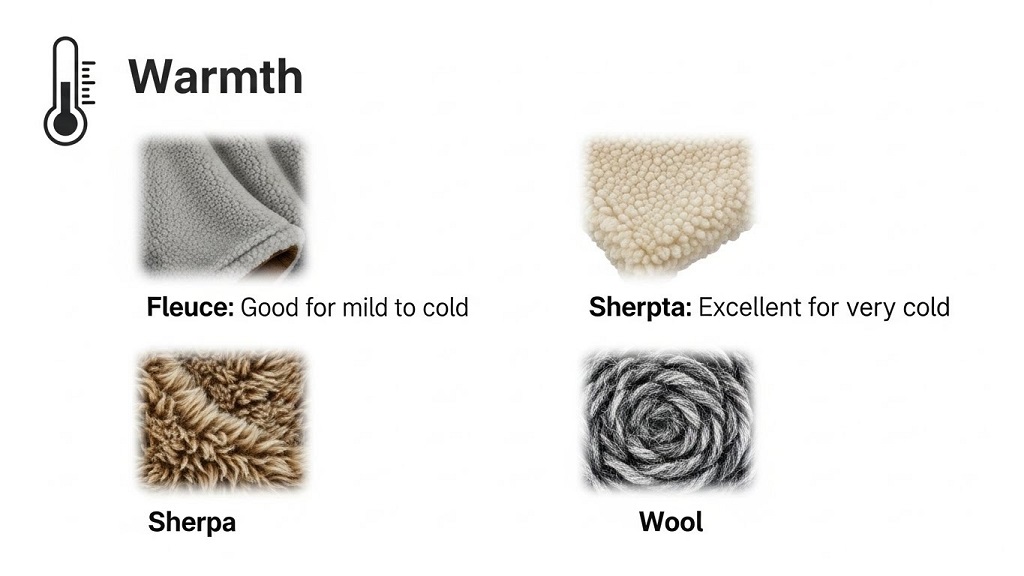
Choose sherpa only if maximum warmth is your top priority.
Sherpa is a thick, wool-like lining often paired with fleece. It is heavy and very insulating. This makes it ideal for extreme cold or low-heating homes. The downside is weight and breathability. It is not suitable for long sitting or warm climates.
Sherpa blankets also require more care. They can lose softness if washed incorrectly.
Is cotton better for wearable blankets?
Cotton is better for balanced comfort and daily use.
Cotton wearable blankets allow airflow and feel softer over time. They are less likely to cause skin irritation. Cotton also absorbs moisture, which helps prevent sweat buildup.
A textile durability study showed cotton blends lasted 22% longer than pure fleece when washed weekly. This makes cotton a practical choice for frequent use.
What makes bamboo wearable blanket materials popular?
Bamboo materials are popular because they are breathable and gentle on skin.
Bamboo fibers naturally regulate temperature. They stay cool in warm weather and warm in cool settings. They also resist odor and bacteria better than many synthetics.
For people with allergies or sensitive skin, bamboo blends reduce irritation. Many hospitals and wellness centers now use bamboo-based textiles for this reason.
Are microfiber wearable blankets good for daily use?
Yes, microfiber is good for lightweight daily wear.
Microfiber is a fine synthetic fiber. It feels smooth and dries quickly. It is lighter than fleece and easier to clean. However, it does not insulate as well in cold environments.
Microfiber works best for short lounging sessions, travel, or layering over other clothing.
How do wearable blanket materials affect skin sensitivity?
Materials affect skin through friction, heat, and moisture retention.
Synthetic fibers can cause itching or rashes in sensitive users. Natural fibers like cotton and bamboo reduce friction and allow moisture evaporation. This lowers irritation risk.
Dermatology studies show that breathable fabrics reduce skin redness by up to 18% during prolonged contact. This matters for people wearing blankets for hours.
What material is best for hot sleepers?
Bamboo and cotton blends are best for hot sleepers.
These materials release heat and wick moisture. They prevent heat buildup and reduce night sweats. Avoid sherpa and thick fleece if you overheat easily.
What wearable blanket material works best for winter?
Fleece or sherpa works best for winter conditions.
These materials trap heat and reduce cold exposure. Pair them with breathable inner clothing to avoid sweating.
How should climate influence your wearable blanket choice?
Your climate should guide material thickness and breathability.
Warm climates require airflow. Cold climates require insulation. Mixed climates benefit from layered or medium-weight materials. Buying without considering climate often leads to regret.
How does material impact cleaning and maintenance?
Material determines washing frequency and durability.
Cotton and microfiber handle machine washing well. Fleece and sherpa require gentle cycles. Bamboo blends need mild detergents. Ignoring care instructions shortens blanket life.
What mistakes do people make when picking wearable blanket materials?
The biggest mistake is choosing warmth over breathability without context.
People often buy the thickest option available. This leads to overheating and discomfort. Another mistake is ignoring skin sensitivity. Always consider how long and how often you will wear it.
How can you test material quality before buying?
Check fabric weight, stitching, and blend details.
Higher GSM usually means thicker fabric. Tight stitching means better durability. Avoid vague material descriptions. Clear labeling is a quality sign.
How do you make the final decision on wearable blanket material?
Making the final decision comes down to matching material with your real lifestyle. Think about where you live, how long you wear it, and how your body reacts to heat. There is no universal best material. There is only the best fit for your needs.
Before buying, review fabric details and care instructions. Invest once instead of replacing often. The right wearable blanket material improves relaxation, focus, and comfort every day.
Call to Action: Ready to choose the right wearable blanket? Compare materials carefully, check fabric labels, and pick one that fits your daily routine. Comfort starts with the right material.
Frequently Asked Questions About Wearable Blanket Materials
What is the best wearable blanket material for all seasons?
Cotton or bamboo blends are best for all seasons because they balance warmth and breathability.
Are wearable blanket materials safe for sensitive skin?
Yes, natural fibers like cotton and bamboo are safer for sensitive skin than synthetic materials.
Do thicker wearable blanket materials last longer?
Not always. Durability depends on fiber quality and stitching, not just thickness.
Which wearable blanket material is easiest to clean?
Microfiber and cotton are the easiest to clean and maintain.
Can wearable blanket materials shrink after washing?
Yes. Cotton can shrink if washed in hot water. Always follow care labels.
Are expensive wearable blanket materials always better?
No. Price does not guarantee comfort. Material suitability matters more than cost.
What material should I avoid if I sweat easily?
Avoid sherpa and heavy fleece if you sweat easily.
Related Topics: Blue Floral Dress Color Psychology for Summer Outfits
Related Topics: Zero-Drop Shoes for Posture Correction Walking