Planning an outdoor wedding brings a magical charm that indoor venues often lack. However, strong winds can turn a dreamy ceremony into a chaotic scene if decorations are not secured properly. Studies show that nearly 40 percent of outdoor weddings face unexpected weather challenges, with wind being a top concern. Ensuring your wedding decorations for ceremony stay in place is key to a seamless event.
Strong gusts can topple centerpieces, send linens flying, and even damage floral arrangements. Couples often underestimate the power of wind, especially in open areas like beaches or hilltops. Securing decorations not only protects your investment but also keeps guests safe from flying objects. With the right strategies, you can enjoy your special day without worrying about the weather.
Understanding the Impact of Wind on Wedding Decorations
Wind speeds as low as 10 mph can displace lightweight decorations like table runners and paper lanterns. Heavier items, such as ceramic vases or metal frames, may resist mild breezes but can still topple in stronger gusts. The direction of the wind also plays a role in how decorations are affected.
Outdoor venues near coastlines or open fields are particularly vulnerable to sudden wind shifts. Even inland locations can experience unpredictable gusts during seasonal changes. Understanding the local wind patterns helps in planning the placement and securing methods for your decorations.
Decorations like hanging lights, banners, and fabric drapes are most at risk in windy conditions. These items catch the wind like sails, creating drag that can pull them from their anchors. Choosing the right materials and securing techniques can reduce this risk significantly.
Choosing Wind-Resistant Decoration Materials
Opt for decorations made from sturdy materials like metal, wood, or thick acrylic. These materials are less likely to bend, break, or blow away compared to paper or thin plastic. For example, metal lanterns or wooden signage can withstand stronger winds than their lighter counterparts.
Fabric decorations, such as tablecloths or chair sashes, should be made from heavy, tightly woven fabrics. Polyester blends or canvas are excellent choices as they resist flapping and tearing. Avoid silk or satin, as these materials are lightweight and prone to damage in windy conditions.
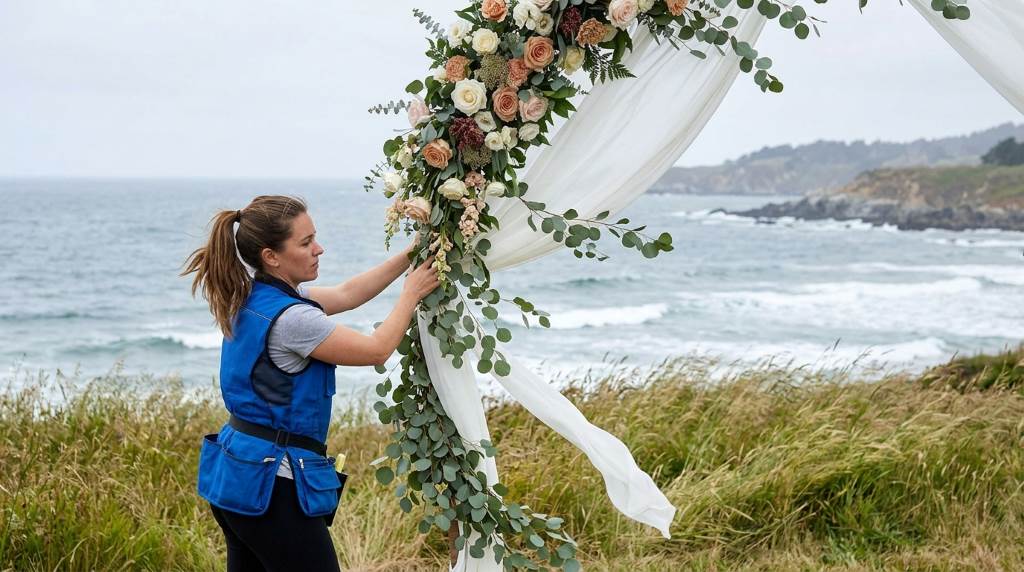
Floral arrangements should use hardy flowers and greenery that can endure a breeze without wilting. Succulents, eucalyptus, and dried flowers are great options for wind-prone areas. Additionally, use floral foam or heavy vases to keep arrangements anchored.
Best Materials for Windy Conditions
- Metal or wooden frames for structural decorations
- Heavy fabrics like canvas or polyester for linens
- Hardy flowers such as succulents or dried blooms
- Weighted bases for centerpieces and signage
Anchoring Techniques for Different Decorations
Anchoring is the most effective way to secure decorations against wind. The method you choose depends on the type of decoration and the surface it rests on. For tabletop items, use non-slip mats or weighted bases to prevent sliding or tipping.
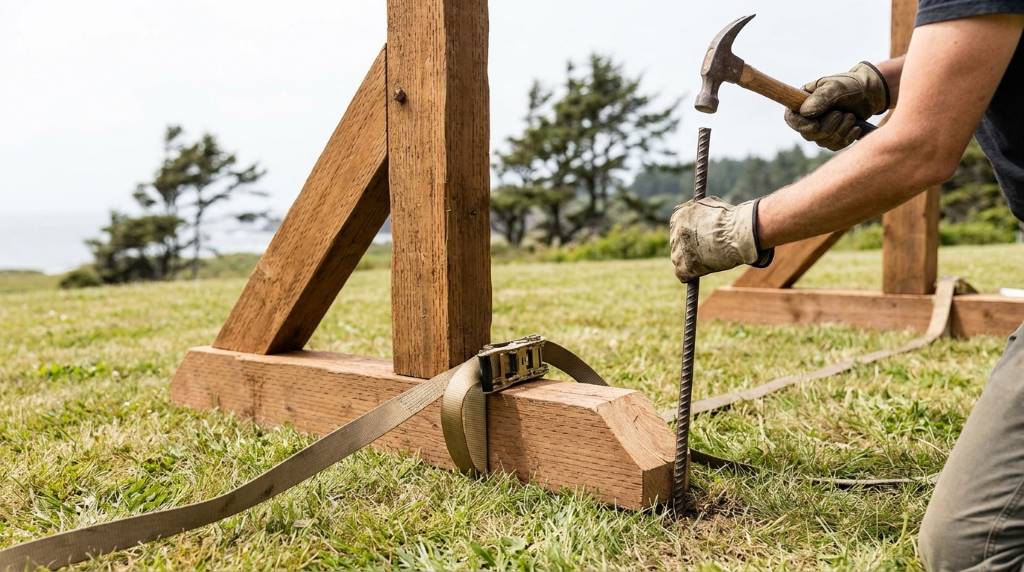
For larger decorations like arches or backdrops, stake them into the ground using metal stakes or sandbags. If the venue does not allow stakes, use water-filled weights or heavy planters as alternatives. Always check with the venue beforehand to ensure compliance with their rules.
Hanging decorations, such as chandeliers or string lights, require secure attachment points. Use heavy-duty hooks, carabiners, or aircraft cables to hang items from sturdy structures like trees or pergolas. Avoid hanging decorations from temporary or flimsy supports.
Anchoring Methods by Decoration Type
- Tabletop Items: Non-slip mats, weighted bases, or museum putty
- Large Structures: Metal stakes, sandbags, or water-filled weights
- Hanging Decor: Heavy-duty hooks, carabiners, or aircraft cables
- Fabric Decor: Clips, weights, or Velcro straps
DIY Solutions for Securing Decorations
Creating your own anchoring solutions can be cost-effective and tailored to your specific needs. For example, fill decorative lanterns with sand or pebbles to add weight without compromising aesthetics. This works well for centerpieces or aisle markers.
Another DIY idea is to use fishing line or clear nylon thread to tie down lightweight decorations discreetly. Secure one end to the decoration and the other to a heavy object, such as a planter or a weighted base hidden beneath a tablecloth.
For fabric decorations like chair sashes or table runners, use fabric weights or small sandbags sewn into the hems. This keeps the fabric in place without being visible. Alternatively, use double-sided fabric tape to secure edges to surfaces.
Step-by-Step DIY Anchoring Ideas
- Weighted Lanterns: Fill lanterns with sand or pebbles for added stability.
- Discreet Ties: Use fishing line to tie decorations to heavy objects.
- Fabric Weights: Sew small sandbags into the hems of fabric decorations.
- Double-Sided Tape: Secure fabric edges to surfaces with fabric tape.
Professional Tips for Windproofing Decorations
Event planners often use a combination of techniques to ensure decorations remain secure. One professional tip is to layer your anchoring methods. For example, use both stakes and sandbags for large structures like arches or gazebos.
Another tip is to test your setup before the wedding day. Simulate windy conditions by using a fan or by setting up decorations in a breezy area. This allows you to identify weak points and adjust your securing methods accordingly.
Professionals also recommend having a backup plan for extreme weather. Keep extra weights, stakes, and ties on hand in case of unexpected gusts. Additionally, assign a team member or coordinator to monitor decorations throughout the event and make adjustments as needed.
Expert Windproofing Strategies
- Layer anchoring methods for added security
- Test decorations in windy conditions before the event
- Prepare a backup kit with extra weights and ties
- Assign someone to monitor decorations during the ceremony
Climate-Specific Considerations
Different climates present unique challenges for outdoor weddings. Coastal areas, for example, often experience strong, salty winds that can corrode metal decorations over time. To combat this, use rust-resistant materials like stainless steel or powder-coated metal.
In desert climates, wind can carry sand and dust, which may scratch or dull decorative surfaces. Protect decorations with clear coatings or covers until the ceremony begins. Additionally, secure loose items like napkins or place cards with weights or clips.
Mountainous regions may have unpredictable wind patterns due to elevation changes. In these areas, prioritize low-profile decorations that are less likely to catch the wind. Avoid tall or top-heavy items that can easily topple.
Climate-Specific Tips
- Coastal Areas: Use rust-resistant materials and protect against salt spray
- Desert Climates: Cover decorations until the event and secure loose items
- Mountainous Regions: Opt for low-profile, stable decorations
Common Mistakes to Avoid
One of the most common mistakes is underestimating the weight needed to anchor decorations. A light breeze may not seem threatening, but sustained winds can gradually loosen even well-secured items. Always err on the side of caution and use more weight than you think is necessary.
Another mistake is relying solely on adhesive products like tape or glue. These can fail in windy or humid conditions, especially outdoors. Instead, use mechanical fasteners like stakes, weights, or ties for a more reliable hold.
Avoid placing decorations in high-traffic areas where guests may accidentally bump into them. This not only risks damage to the decorations but also creates a safety hazard. Keep walkways clear and secure decorations away from the main flow of foot traffic.
Mistakes to Steer Clear Of
- Underestimating the weight needed for anchoring
- Relying only on adhesives for securing decorations
- Placing decorations in high-traffic guest areas
- Ignoring venue rules for staking or anchoring
Incorporating Aesthetics with Functionality
Securing decorations does not mean sacrificing style. Choose anchoring methods that blend seamlessly with your wedding theme. For example, use decorative stones or crystal weights that complement your color scheme.
Incorporate functional elements into your design, such as weighted candle holders that double as centerpieces. This approach ensures that your decorations are both beautiful and practical.
Work with your florist or decorator to create custom solutions that match your vision. For instance, floral arrangements can be designed with heavy bases or integrated into larger, sturdier structures.
Stylish and Functional Ideas
- Use decorative stones or crystals as weights
- Incorporate weighted candle holders as centerpieces
- Design floral arrangements with heavy bases
- Blend anchoring methods with your wedding theme
Case Study: A Windproof Outdoor Wedding
A couple planning a beachside wedding in North Carolina faced the challenge of securing decorations against coastal winds. They opted for a minimalist theme with sturdy wooden arches and weighted glass centerpieces.
To anchor the arches, they used sandbags hidden beneath decorative fabric wraps. For tabletop items, they filled glass vases with a layer of sand at the bottom before adding flowers. The result was a stunning, wind-resistant setup that withstood gusts up to 20 mph.
The couple also assigned a coordinator to monitor decorations throughout the event. This proactive approach allowed them to adjust a few items as the wind picked up, ensuring everything stayed in place for the duration of the ceremony.
Final Checklist Before the Big Day
Review your decoration setup at least a week before the wedding. Ensure all anchoring methods are in place and test them under simulated windy conditions. Double-check that all materials are wind-resistant and suitable for the venue’s climate.
Create a detailed layout plan that includes the placement of each decoration and its corresponding anchoring method. Share this plan with your wedding party or coordinator so everyone is on the same page.
Pack an emergency kit with extra weights, ties, and tools for last-minute adjustments. Having these supplies on hand can save the day if unexpected wind arises.
Pre-Wedding Checklist
- Test all anchoring methods in windy conditions
- Confirm that all materials are wind-resistant
- Create a detailed layout and anchoring plan
- Prepare an emergency kit with extra supplies
Conclusion
Securing outdoor wedding decorations against strong winds requires careful planning and the right techniques. By choosing wind-resistant materials, using effective anchoring methods, and testing your setup beforehand, you can ensure your decorations remain beautiful and intact throughout your ceremony.
Do not let the fear of wind deter you from hosting the outdoor wedding of your dreams. With the tips and strategies outlined in this guide, you can confidently create a stunning and secure setup that impresses your guests and stands up to the elements.
Start planning early, consult with professionals, and always have a backup plan. Your special day deserves to be as perfect as you have imagined, regardless of what the weather brings.
FAQ
What are the best materials for wind-resistant wedding decorations?
Use sturdy materials like metal, wood, or thick acrylic for structural decorations, and heavy fabrics like canvas or polyester for linens.
How can I anchor tabletop decorations securely?
Use non-slip mats, weighted bases, or museum putty to prevent sliding or tipping.
What should I avoid when securing outdoor wedding decorations?
Avoid underestimating the weight needed, relying solely on adhesives, or placing decorations in high-traffic areas.
How do I test my decorations for wind resistance?
Simulate windy conditions using a fan or set up decorations in a breezy area to identify weak points.
What should I include in an emergency kit for windy conditions?
Pack extra weights, ties, stakes, and tools for last-minute adjustments to secure decorations.