
Your grandmother’s vintage diamond ring suddenly loses its sparkle. Your favorite gold necklace develops an unsightly tarnish. Your precious pearl earrings start looking dull and lifeless. Sound familiar? These scenarios happen to jewelry lovers everywhere, but the good news is that proper jewelry care can prevent most damage and keep your treasured pieces looking magnificent for generations jewellery cleaning.
Fine jewelry represents more than just accessories—these pieces often carry sentimental value, mark special occasions, and serve as valuable investments. Whether you own heirloom pieces passed down through generations or contemporary designs you’ve carefully selected, understanding proper jewelry maintenance is essential for preserving both their beauty and worth.
Understanding Your Fine Jewelry Materials
Before diving into care techniques, it’s crucial to understand what makes fine jewelry unique. Fine jewelry typically consists of precious metals like gold, platinum, and silver, often adorned with gemstones ranging from diamonds to emeralds, sapphires, and pearls.
Precious Metals and Their Properties
Gold jewelry comes in various karats, with 24k being pure gold and lower karats containing alloy metals for durability. While higher karat gold is more valuable, it’s also softer and requires gentler handling. Platinum, known for its durability and hypoallergenic properties, maintains its white color naturally but can develop a patina over time that many consider desirable.
Silver jewelry, particularly sterling silver, tarnishes when exposed to air and sulfur compounds. This natural oxidation process creates the characteristic dark film that requires regular cleaning to maintain the metal’s lustrous appearance.
Gemstone Considerations
Different gemstones have varying hardness levels on the Mohs scale, which determines their care requirements. Diamonds, rating 10 on the hardness scale, can withstand more aggressive cleaning methods, while softer stones like pearls, opals, and turquoise require extremely gentle treatment.
Essential Jewelry Cleaning Techniques
Regular cleaning maintains your jewelry’s appearance and prevents long-term damage from accumulated dirt, oils, and environmental pollutants.
Daily Cleaning Habits
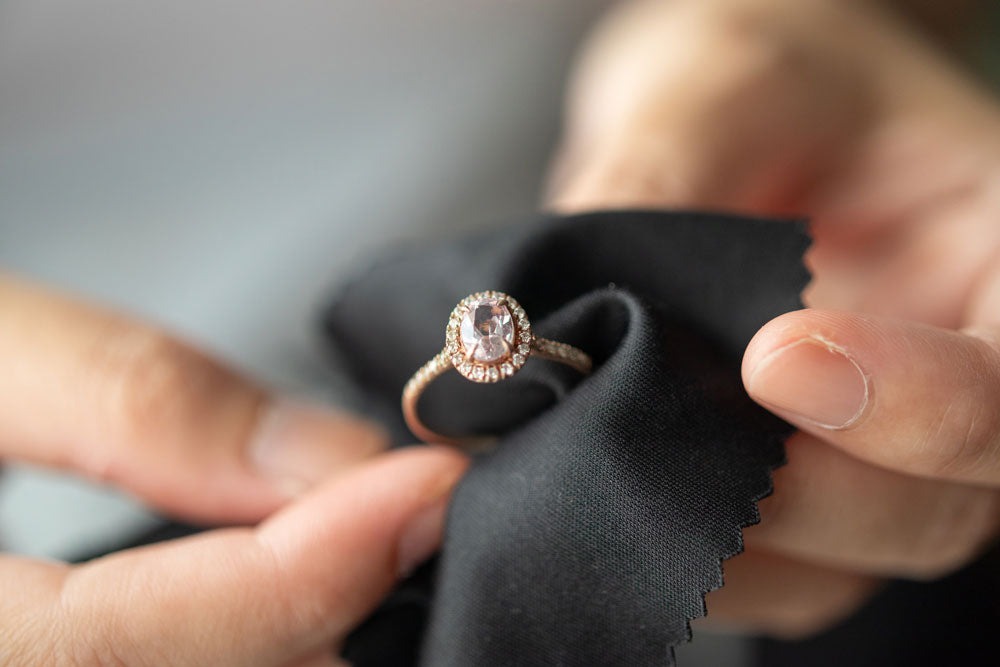
The most effective jewelry care starts with simple daily practices. Remove jewelry before applying lotions, perfumes, or cosmetics, as these products can create buildup and potentially damage certain stones. After wearing, gently wipe pieces with a soft, lint-free cloth to remove oils and surface dirt.
Deep Cleaning Methods for Different Materials
Diamond and Hard Stone Cleaning
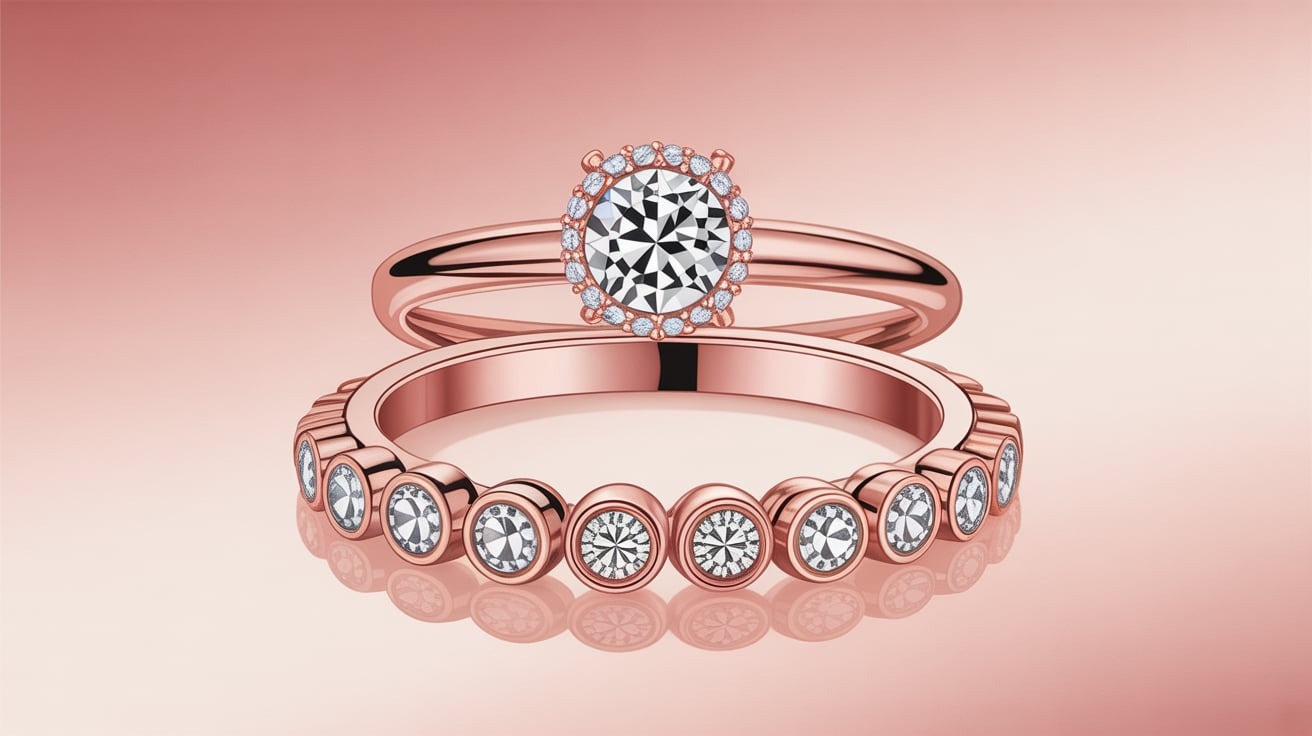
For diamond jewelry and other hard gemstones (sapphires, rubies), create a gentle cleaning solution using warm water and mild dish soap. Soak pieces for 15-20 minutes, then use a soft-bristled toothbrush to gently scrub around settings and hard-to-reach areas. Rinse thoroughly with clean water and dry with a soft cloth.
Professional jewelers often recommend ultrasonic cleaners for diamond jewelry, but exercise caution with treated or included stones, as vibrations can cause damage.
Gold and Platinum Maintenance
Gold jewelry benefits from regular cleaning with soap and water. For heavily tarnished pieces, specialized gold cleaning solutions can restore luster without damaging the metal. Platinum develops a natural patina that many prefer, but professional polishing can restore its original mirror finish if desired.
Silver Jewelry Care
Silver tarnish removal requires specific techniques depending on the severity. Light tarnish responds well to silver polishing cloths, which contain gentle abrasives and anti-tarnish agents. For heavier tarnish, commercial silver cleaners or homemade solutions using baking soda and aluminum foil can be effective.
Delicate Stone and Pearl Care
Pearls, opals, and other delicate organic materials require the gentlest approach. Use only damp cloth cleaning and avoid chemical solutions entirely. Pearl necklaces should be restrung periodically, especially with frequent wear, as silk threads can weaken over time.
Proper Jewelry Storage Solutions
Correct storage prevents damage, tangling, and premature wear while maintaining your collection’s organization and accessibility.
Creating the Ideal Storage Environment
Store jewelry in a cool, dry place away from direct sunlight. Humidity accelerates tarnishing in silver and can damage certain organic materials. Consider using moisture-absorbing packets in storage areas, particularly in humid climates.
Storage Methods by Jewelry Type
Individual Compartmentalization
Each piece should have its own space to prevent scratching and tangling. Jewelry boxes with individual compartments, soft pouches, or anti-tarnish bags provide ideal protection. Harder stones can scratch softer metals and stones, making separation essential.
Specialized Storage Solutions
Necklaces benefit from hanging storage to prevent tangling, while rings require secure, cushioned spaces. Earrings should be stored in pairs with proper backing support. Consider jewelry organizers with clear compartments for easy visibility and access.
Travel Storage Considerations
Traveling with fine jewelry requires extra precautions. Use padded jewelry rolls or cases with secure fastenings. Never pack valuable pieces in checked luggage, and consider leaving your most precious items safely stored at home during travel.
Professional Maintenance and Inspections
While regular home care is essential, professional maintenance ensures your jewelry receives expert attention for complex issues and thorough servicing.
When to Seek Professional Help
Schedule professional inspections annually for valuable pieces or those worn frequently. Signs requiring immediate professional attention include loose stones, bent prongs, worn clasps, or damaged settings. Professional jewelers can identify potential problems before they result in lost stones or irreparable damage.
Professional Services Overview
Professional cleaning services use specialized equipment and techniques unavailable to consumers. Ultrasonic cleaning, steam cleaning, and professional polishing can restore jewelry to like-new condition. Additionally, professionals can perform necessary repairs, resize rings, and replace worn components.
Preventive Professional Care
Regular professional maintenance prevents minor issues from becoming costly repairs. Prong retipping, clasp replacement, and chain soldering are common preventive services that extend jewelry life significantly.
Common Jewelry Care Mistakes to Avoid
Understanding what not to do is equally important for proper jewelry maintenance.
Harmful Cleaning Practices
Never use harsh chemicals like bleach, chlorine, or abrasive cleaners on fine jewelry. Avoid ultrasonic cleaners for delicate stones, treated gemstones, or vintage pieces with questionable stability. Toothpaste, despite popular belief, is too abrasive for jewelry cleaning and can cause permanent scratching.
Storage Errors
Storing different metals together can cause galvanic corrosion. Avoid storing jewelry in bathrooms or other humid environments. Plastic bags can trap moisture and accelerate tarnishing, making them unsuitable for long-term storage.
Wearing Mistakes
Remove jewelry during activities involving chemicals, extreme temperatures, or physical stress. Swimming pools, hot tubs, and saunas can damage both metals and stones. Exercise, gardening, and household cleaning should be done without fine jewelry to prevent damage and contamination.
Seasonal Jewelry Care Considerations
Different seasons present unique challenges for jewelry maintenance and require adjusted care routines.
Summer Care Strategies
Increased perspiration, sunscreen application, and pool activities during summer months require more frequent cleaning and careful handling. Remove jewelry before applying sunscreen or insect repellent, as chemicals can discolor metals and damage certain stones.
Winter Protection Methods
Cold temperatures can make metals brittle and affect stone settings. Dry winter air can cause organic materials like pearls to become more fragile. Increased lotion use during winter months can create more buildup on jewelry surfaces.
Insurance and Documentation
Proper jewelry care extends beyond physical maintenance to include protecting your investment through appropriate documentation and insurance coverage.
Appraisal and Documentation
Regular professional appraisals ensure insurance coverage reflects current market values. Photograph your pieces and maintain detailed records including purchase receipts, certificates, and appraisal documents. This documentation proves invaluable for insurance claims and estate planning.
Read More Also: What Shoes to Wear with a Dirndl
Frequently Asked Questions
How often should I clean my fine jewelry?
Daily wear pieces benefit from weekly gentle cleaning, while occasional wear items need cleaning only before and after use. Professional cleaning should occur annually or as needed based on wear frequency and condition.
Can I use household items to clean my jewelry?
Mild dish soap and warm water are safe for most jewelry types. Avoid household cleaners, toothpaste, or abrasive materials that can cause permanent damage to precious metals and gemstones.
Is it safe to wear jewelry while sleeping?
Remove jewelry before sleeping to prevent tangling, breaking, or injury. Overnight wear can cause unnecessary stress on delicate settings and increase the risk of losing pieces.
How do I know if my jewelry needs professional repair?
Loose stones, wobbly settings, worn prongs, damaged clasps, or significant scratches indicate the need for professional attention. Annual inspections help identify issues before they become serious problems.
What’s the best way to store pearls?
Store pearls separately from other jewelry in a soft pouch or lined compartment. Avoid airtight containers, as pearls need slight moisture to prevent cracking. Lay pearl strands flat rather than hanging to prevent stress on the silk thread.
Should I remove jewelry when washing my hands?
While not necessary for brief hand washing with soap and water, remove jewelry when using harsh soaps, sanitizers, or cleaning products that could damage metals or stones over time.
Read More Also: Saree Draping Styles Every Modern Woman Should Know
Conclusion: Preserving Your Precious Investment
Caring for fine jewelry doesn’t require expensive equipment or complicated procedures—just consistent attention and proper techniques. By implementing these cleaning, storage, and maintenance practices, you’ll ensure your precious pieces maintain their beauty and value for years to come.
Remember that prevention is always better than repair. Regular gentle cleaning, proper storage, and annual professional inspections will keep your jewelry collection in pristine condition while avoiding costly restoration work.
Ready to give your jewelry the care it deserves?
Start implementing these expert tips today, and consider scheduling a professional inspection for your most valuable pieces. Your future self—and your jewelry—will thank you for the investment in proper care and maintenance.


