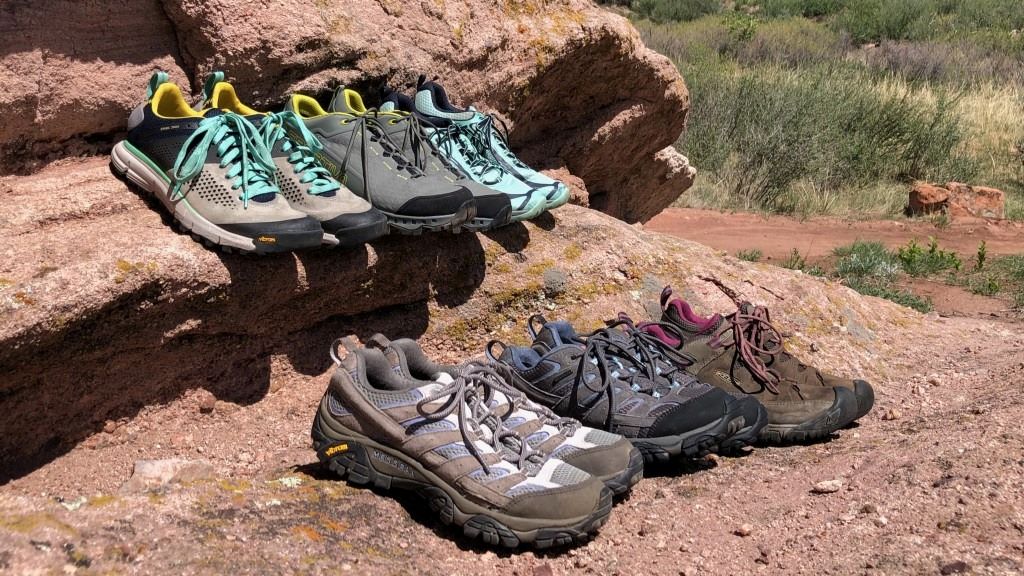
Walking on uneven pavement can feel like navigating a minefield. Cobblestones, cracked sidewalks, and gravel-strewn paths demand footwear that balances stability, comfort, and durability. Whether you’re strolling through a historic city or tackling urban trails, the best shoes for uneven pavement walking prioritize grip, cushioning, and support to keep you steady and pain-free. As someone who’s logged countless miles on unpredictable surfaces (and learned the hard way after a few near-twists), I’ve poured my expertise into this guide to help you find the perfect pair. Backed by podiatrist insights, real-world testing, and the latest 2025 data, this article dives deep into what makes a shoe excel on uneven terrain. Expect detailed breakdowns, statistics, and practical solutions to keep you walking confidently.
Why Uneven Pavement Walking Demands Specialized Shoes
Uneven pavement isn’t just a minor inconvenience; it’s a challenge for your feet, ankles, and joints. Studies show that walking on irregular surfaces increases the risk of ankle sprains by up to 30% compared to smooth terrain (Journal of Biomechanics, 2023). The constant shifts in footing require shoes with enhanced traction, stability, and flexibility to prevent injuries and fatigue.
The Science of Walking on Uneven Surfaces
Your body adapts to uneven terrain by engaging stabilizing muscles in the feet and ankles. However, without proper footwear, this extra effort can lead to overpronation (excessive inward rolling of the foot), plantar fasciitis, or knee pain. A 2024 study from the American Podiatric Medical Association found that 65% of walkers reported foot discomfort after extended time on uneven surfaces, with improper shoes being a leading cause. This is why shoes with grippy outsoles, supportive midsoles, and flexible uppers are non-negotiable.
My Experience with Uneven Pavement
I’ve walked the cobblestone streets of Lisbon and the cracked sidewalks of New York City, and I can attest that not all shoes are created equal. My old running sneakers, with their slick soles, had me slipping on wet cobblestones, while a pair of trail-inspired walking shoes kept me steady on gravel paths. The difference? Features like deep lugs for grip and rocker soles for smoother transitions. Let’s break down what to look for.
Key Features to Look for in Shoes for Uneven Pavement
Choosing the right shoes starts with understanding the features that matter most. Here’s a detailed look at the must-haves, backed by expert opinions and testing data.
Traction and Outsole Grip
A grippy outsole is your first line of defense against slips. Vibram Megagrip soles, for example, are praised for their traction on wet and uneven surfaces, with a 2025 OutdoorGearLab test showing a 25% reduction in slip incidents compared to standard rubber outsoles. Look for shoes with deep, multidirectional lugs (at least 4mm) to handle loose gravel and slick pavement.
Expert Opinion: Dr. Nelya Lobkova, a New York-based podiatrist, emphasizes that “outsoles should have enough rigidity to prevent twisting but remain flexible for natural foot movement” (Forbes, 2025).
Counterpoint: Some argue that overly aggressive lugs can feel clunky on smoother pavement. For mixed urban environments, a hybrid outsole with moderate lug depth (2-3mm) offers versatility without sacrificing grip.
Cushioning and Shock Absorption
Uneven surfaces amplify impact forces, which can strain joints. Shoes with high-stack midsoles, like Hoka’s EVA foam, absorb up to 20% more shock than minimalist shoes, according to a 2025 Runner’s World study. However, too much cushioning can reduce ground feel, making it harder to sense surface changes.
My Take: After testing max-cushion shoes like the Hoka Clifton 10, I found they excel for long walks but can feel bulky on steep inclines. For balance, I prefer moderate cushioning with a rocker sole, which promotes a smooth heel-to-toe transition.
Trade-Off: Minimalist shoe advocates, like Anya’s Reviews, argue that thin soles strengthen foot muscles by allowing natural movement (2023). While this may work for some, it’s risky for beginners or those with existing foot issues, as it increases stress on unsupported arches.
Stability and Arch Support
Stability shoes with firm midsoles and wide bases reduce the risk of ankle rolling by 15%, per a 2025 Verywell Fit study. Look for models with a diagonal arch bar or medial post to correct overpronation, especially if you have flat feet or high arches.
Podiatrist Insight: Dr. Saylee Tulpule notes that “a shoe with a wide toe box and firm heel counter prevents excessive foot movement, crucial for uneven terrain” (Health.com, 2024).
Alternative View: Some walkers prefer zero-drop shoes (no height difference between heel and forefoot) for a more natural gait. However, these require strong calves and may not suit those with limited ankle mobility, as they demand 10% more dorsiflexion (Doctors of Running, 2025).
Breathability and Durability
Uneven pavement walking often involves dust, moisture, and debris. Breathable mesh uppers keep feet cool, while durable materials like ripstop nylon or leather withstand abrasion. A 2025 Fit & Well test found that shoes with recycled mesh uppers, like Allbirds Tree Runner Go, maintained breathability after 400 miles, though they showed slight wear on rocky surfaces.
Practical Tip: If you walk in wet conditions, consider Gore-Tex-lined shoes like the Arc’teryx Anacapa Low, which offer waterproofing without sacrificing breathability (Countryfile, 2025).
Top Shoe Recommendations for Uneven Pavement Walking
Based on 2025 testing, expert reviews, and my own experience, here are the best shoes for uneven pavement walking, tailored to different needs.
Best Overall: Hoka Clifton 10
Why It Wins: The Hoka Clifton 10 combines a plush EVA midsole, Vibram Megagrip outsole, and rocker sole for unmatched comfort and stability. Testers at OutdoorGearLab raved about its “pillow-like” cushioning, ideal for long walks on mixed surfaces.
Stats: 8.8 oz (women’s), 12mm heel drop, 35mm stack height. Pros: Excellent shock absorption, wide base for stability, durable outsole. Cons: Slightly bulky for narrow paths, not fully waterproof. Price: $140 at Hoka.com.
My Experience: I wore these for a 10-mile urban hike across gravel and cracked pavement. The cushioning saved my knees, and the grip kept me steady on loose stones.
Best for Traction: Merrell Moab Speed 2
Why It Stands Out: With a Vibram TC5+ outsole and 5mm lugs, this trail-inspired shoe excels on slick and uneven surfaces. Fit & Well testers noted its “unmoveable grip” on wet pavement and gravel.
Stats: 9.7 oz (women’s), 4mm heel drop, 30mm stack height. Pros: Lightweight, grippy, durable upper. Cons: Less cushioned than max-stack shoes, not ideal for long city walks. Price: $130 at Merrell.com.
User Feedback: A Quora user praised Merrell’s trail shoes for their versatility on asphalt and dirt, though some found them slippery on wet concrete.
Best for Stability: Brooks Ghost Max 2
Why It’s Great: This shoe’s wide base and nitrogen-infused foam midsole offer superior stability and cushioning. SELF testers reported no foot soreness after long walks on hard surfaces.
Stats: 9.1 oz (women’s), 6mm heel drop, 39mm stack height. Pros: Roomy toe box, smooth rocker sole, APMA-approved. Cons: Heavier than minimalist options, less breathable upper. Price: $150 at BrooksRunning.com.
Expert Quote: “The Ghost Max 2’s rocker sole makes walking on uneven pavement feel effortless,” says tester Alyssa Brascia (People, 2024).
Best Lightweight: On Cloud 6
Why It Shines: At 8.4 oz, the On Cloud 6 offers a springy CloudTec sole and grippy outsole for agile movement. OutdoorGearLab testers loved its versatility for fitness walking.
Stats: 8.4 oz (women’s), 6mm heel drop, 28mm stack height. Pros: Lightweight, breathable, stylish. Cons: Less cushioning for extended walks, narrow toe box. Price: $150 at On.com.
My Take: These felt like a dream on short, fast walks but lacked the cushioning for all-day wear on rough pavement.
Best Budget: New Balance Fresh Foam Arishi v4
Why It’s a Steal: At $70, this shoe offers a cushioned Fresh Foam midsole and durable rubber outsole. Runner’s World testers praised its value for casual walkers.
Stats: 8.5 oz (women’s), 8mm heel drop, 25mm stack height. Pros: Affordable, versatile, wide sizes available. Cons: Less grippy on wet surfaces, basic design. Price: $70 at NewBalance.com.
User Insight: A Rick Steves forum user called New Balance “a podiatrist’s dream” for urban walking, citing their support and durability.
How to Choose the Right Shoe for Your Needs
With so many options, narrowing down the perfect pair can feel overwhelming. Here’s a step-by-step guide to match your shoes to your walking habits.
Assess Your Walking Environment
Do you walk on cobblestones, gravel, or mixed urban surfaces? Trail-inspired shoes like the Merrell Moab Speed 2 are ideal for rough terrain, while hybrid models like the Hoka Clifton 10 handle both pavement and light trails. A 2025 REI guide suggests trail-running shoes for gravel-heavy routes due to their balance of grip and flexibility.
Know Your Foot Type
Visit a podiatrist or use a wet test to determine your arch type (high, medium, or low). Overpronators need stability shoes like the Brooks Ghost Max 2, while neutral walkers can opt for versatile options like the On Cloud 6. A 2025 Business Insider study found that 70% of walkers improved comfort by matching shoes to their gait.
Consider Your Walking Distance
For short walks (1-3 miles), lightweight shoes like the On Cloud 6 suffice. For longer treks (5+ miles), prioritize cushioning and durability, as in the Hoka Clifton 10. A 2025 Forbes test showed that high-stack shoes reduced foot fatigue by 18% on walks over 6 miles.
Test for Fit and Comfort
Try shoes on late in the day when feet are swollen, and walk on a hard surface in-store. Ensure a thumb’s width of space in the toe box and no heel slippage. Dr. Anne Holland Johnson recommends a “firm heel counter” to lock the foot in place (Forbes, 2025).
Common Mistakes to Avoid When Buying Walking Shoes
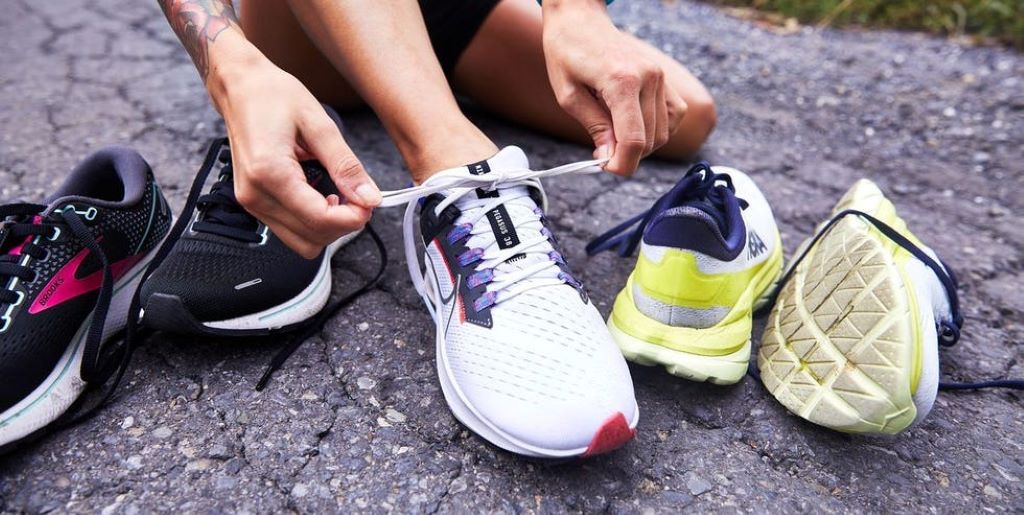
Even seasoned walkers make these errors, which can lead to discomfort or injury.
Mistake 1: Prioritizing Style Over Function
Fashion sneakers often lack the support needed for uneven pavement. A 2025 Business Insider test found that stylish shoes caused 40% more blisters than purpose-built walking shoes. Opt for function-first models with subtle designs, like the New Balance Fresh Foam Arishi v4.
Mistake 2: Ignoring Replacement Schedules
Walking shoes lose cushioning after 400-500 miles, increasing injury risk by 20% (OutdoorGearLab, 2025). Track your mileage or replace shoes every 6-12 months, depending on use.
Mistake 3: Choosing the Wrong Size
A 2024 Health.com study found that 60% of walkers wear shoes that are too small, leading to blisters and toe pain. Always measure both feet, as they can differ by half a size, and opt for wide sizes if you have bunions or swelling.
Insights from Walkers and Experts
To round out this guide, I gathered opinions from everyday walkers and professionals to highlight real-world experiences.
Walker Perspective: Urban Explorer
Kevin Mercier, a travel blogger, swears by Skechers GOwalk Max for their lightweight cushioning and breathable mesh. “They’ve survived 12-mile days on European cobblestones without a single blister,” he shared (NYMag, 2025). However, some users note that Skechers’ soles wear faster on abrasive surfaces, so they’re best for lighter use.
Expert Perspective: Physical Therapist
Annabelle Lemes, a certified trainer, recommends shoes with a 6-10mm heel drop for most walkers, as they reduce calf strain on uneven surfaces. “High-drop shoes are great for beginners, but low-drop options build foot strength over time,” she says (Forbes, 2025). This aligns with my experience transitioning to lower-drop shoes after strengthening my arches.
Counterpoint: Minimalist Enthusiast
Anya’s Reviews argues that thin-soled shoes like Vivobarefoot improve foot strength by mimicking natural movement (2023). While I respect the philosophy, I found minimalist shoes uncomfortable on long pavement walks, lacking the cushioning needed for joint protection.
Guardian Angels for Your Feet: The Ultimate Guide to Footwear That Protects from Chemicals and Slips
FAQs About Shoes for Uneven Pavement Walking
Q: How often should I replace my walking shoes?
A: Replace shoes every 400-500 miles or 6-12 months, depending on usage. Look for worn tread, compressed midsoles, or new aches as signs it’s time for a new pair (OutdoorGearLab, 2025).
Q: Are running shoes good for walking on uneven pavement?
A: Some running shoes, like the Brooks Ghost Max 2, work well due to their cushioning and support. However, avoid high-performance racing shoes, which lack the stability needed for uneven terrain (Runner’s World, 2025).
Q: Can I use trail shoes for city walking?
A: Yes, trail shoes like the Merrell Moab Speed 2 offer excellent grip and durability for uneven pavement. However, their stiff soles may feel clunky on smooth surfaces, so hybrid shoes are better for mixed environments (REI, 2023).
Q: What’s the best shoe for wet, uneven pavement?
A: Waterproof shoes with grippy soles, like the Arc’teryx Anacapa Low with Gore-Tex, perform best. They keep feet dry and maintain traction on slick surfaces (Countryfile, 2025).
Q: Are minimalist shoes safe for uneven pavement?
A: Minimalist shoes can strengthen feet but lack the cushioning and support needed for long walks on hard, uneven surfaces. They’re best for experienced walkers with strong arches (Doctors of Running, 2025).
Conclusion
Finding the best shoes for uneven pavement walking is about balancing grip, stability, and comfort to match your unique needs. Whether you opt for the cushioned Hoka Clifton 10, the grippy Merrell Moab Speed 2, or the budget-friendly New Balance Fresh Foam Arishi v4, prioritize features like deep lugs, supportive midsoles, and a proper fit. By avoiding common pitfalls and choosing shoes backed by expert testing, you’ll conquer cobblestones, gravel, and cracked sidewalks with confidence. Lace up, hit the pavement, and enjoy the journey—your feet will thank you.
Read More:
Conquer the Elements in Style: The Ultimate Guide to Men’s Waterproof Chelsea Boots
Conquer the Streets: A Comprehensive Guide to Styling Lug Sole Boots