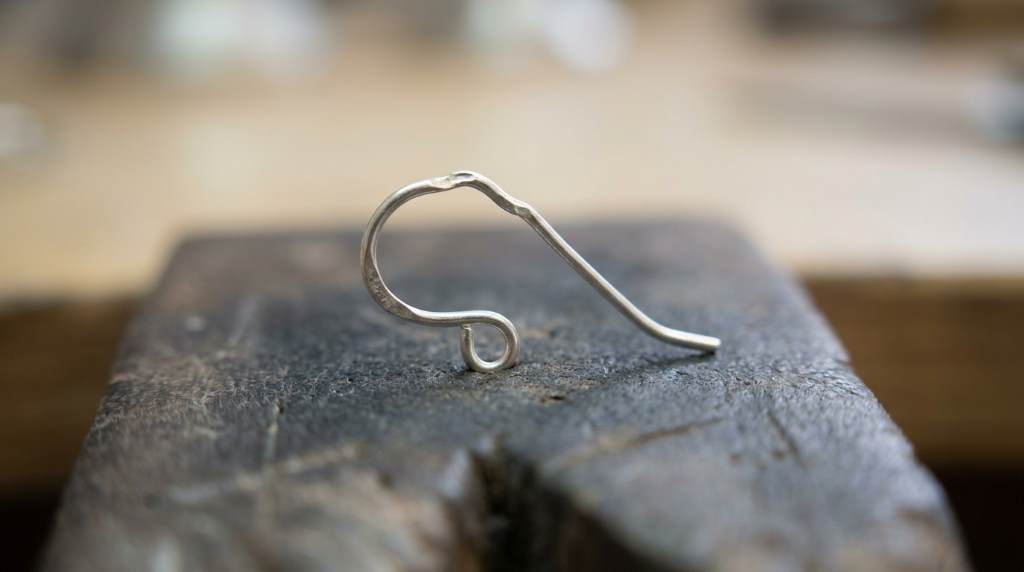
Yes, you can usually fix Menkey 925 Sterling Silver Earring Hooks without replacing the entire earring. Most problems involve bent wires, loose connections, tarnish, damaged loops, or missing silicone backs. The Menkey 925 Sterling Silver Earring Hooks typically come as 120 pieces, or 60 pairs, with silicone backs. Sterling silver contains 92.5% pure silver, while other metals improve its strength. With careful handling, you can correct minor hook problems and restore comfortable wear.
Key Takeaways
- Use smooth-jaw pliers when correcting a bent sterling silver hook.
- Open jump rings sideways instead of pulling their ends apart.
- Replace severely cracked or weakened hooks instead of forcing repairs.
- Clean tarnished silver gently before attempting mechanical adjustments.
- Match replacement hooks by wire thickness, length, shape, and attachment style.
- Use silicone backs when a loose fishhook needs additional security.
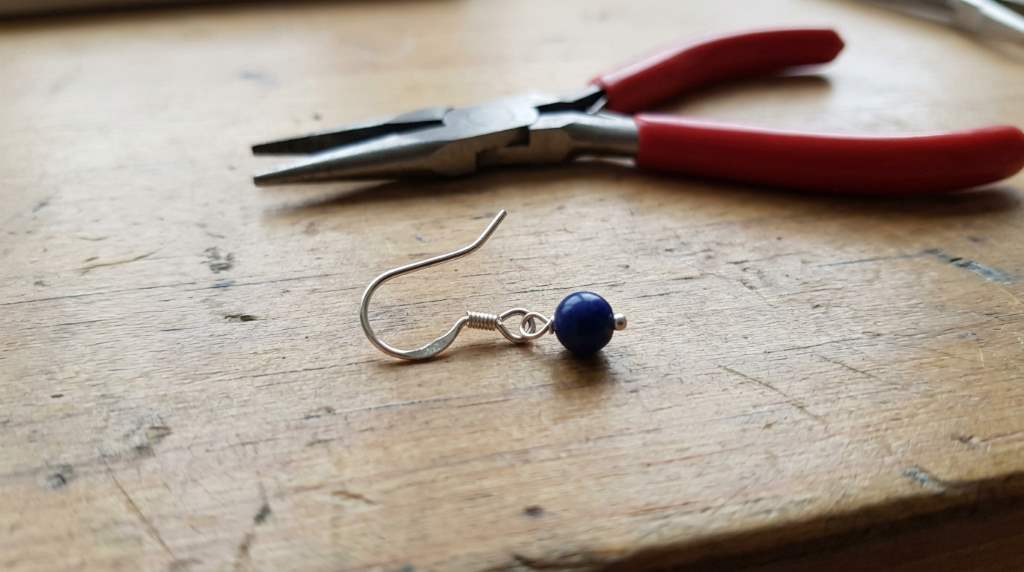
Identify the Earring Hook Problem First
Before repairing anything, inspect the entire hook under bright, direct lighting. A quick inspection helps separate a simple adjustment from damage that requires replacement.
Look closely at the curved wire, attachment loop, coil, and silicone stopper. Also check whether the earring component itself has pulled away from the hook.
Common Problems You Can Repair
- Bent or slightly distorted ear wires
- Loose jump rings connecting charms
- Misaligned attachment loops
- Darkened or tarnished silver surfaces
- Missing or loose silicone backs
- Hooks that sit unevenly when worn
These problems usually require simple cleaning, reshaping, tightening, or component replacement. However, cracked metal needs a different approach because repeated bending can cause complete failure.
What You Need Before Starting
Gather your tools before touching the hook, because repeated handling increases the chance of accidental scratches. A clean workspace also prevents tiny jewelry components from disappearing.
- Two pairs of smooth-jaw jewelry pliers
- Microfiber or jewelry polishing cloth
- Small jewelry tray or shallow container
- Replacement silicone earring backs
- Replacement jump rings when necessary
- Magnifying glass for tiny connection points
- Soft cloth for protecting polished surfaces
Avoid serrated household pliers because their teeth can mark sterling silver permanently. Instead, choose smooth jaws that distribute pressure across the metal.
Fix a Bent Menkey Earring Hook
A slightly bent hook often needs controlled reshaping rather than replacement. Work slowly because sterling silver can deform when you apply concentrated pressure.
Step-by-Step Reshaping Method
- Place the earring on a clean, soft surface.
- Hold the damaged section gently with smooth-jaw pliers.
- Position your second plier near the adjacent bend.
- Apply light pressure toward the original shape.
- Release the pressure and inspect the curve.
- Repeat small adjustments until the hook sits evenly.
Never force the wire into position with one large movement. Instead, make several small corrections and inspect the metal after each adjustment.
Pay particular attention to the pointed end that passes through your piercing. A sharp or distorted tip can cause discomfort during insertion.
Repair a Loose Attachment Loop
Many dangle earrings connect their decorative piece through a small jump ring. That ring can gradually open when the earring receives repeated movement.
Hold the jump ring with two pliers and rotate its ends sideways. This method preserves the ring’s circular shape and creates a cleaner closure.
Correct Jump Ring Technique
- Grip one side of the jump ring with your first plier.
- Hold the opposite side with your second plier.
- Twist one side forward instead of pulling outward.
- Insert the charm, bead, or earring component.
- Rotate the ring back into alignment.
- Check the seam carefully for visible gaps.
A properly closed jump ring should leave no obvious opening around the connection. If the ring looks stretched, replace it rather than repeatedly reshaping it.
Fix a Loose or Missing Silicone Back
Silicone backs provide an additional layer of security for fishhook-style earrings. They also help reduce accidental loss during movement.
Push the silicone stopper onto the straight portion behind your earlobe. Leave enough space for comfortable wear without allowing excessive movement.
If the stopper slides too easily, replace it with a fresh silicone back. Do not rely on a loose stopper because it cannot provide dependable retention.
Remove Tarnish Without Damaging the Hook
Sterling silver naturally develops tarnish when sulfur compounds react with its surface. Darkening therefore does not automatically mean the hook has become defective.
Start with a dry jewelry polishing cloth and gentle rubbing. Concentrate on exposed surfaces while avoiding aggressive pressure around delicate loops.
For Light Tarnish
Use a dedicated silver polishing cloth for light surface discoloration. Rub gently until the original shine begins returning.
After polishing, wipe away residue with a clean microfiber cloth. Then keep the hooks completely dry before storing or wearing them.
For Heavier Tarnish
Consider professional jewelry cleaning when tarnish reaches tight coils or delicate attachment points. Aggressive household cleaning can damage finishes or weaken tiny components.
Avoid abrasive powders, rough brushes, and aggressive polishing compounds. These methods can remove surface material and leave visible scratches.
When You Should Replace the Hook
Repair works best when the metal remains structurally sound. Replacement becomes safer when the hook develops cracks, deep bends, or repeated deformation.
- The wire has developed a visible crack.
- The attachment loop no longer closes securely.
- The hook repeatedly returns to a distorted shape.
- The metal feels unusually thin around a damaged section.
- The piercing end becomes sharp after repeated adjustments.
- The hook causes persistent discomfort despite proper adjustment.
Repeatedly bending the same area can create metal fatigue. Therefore, replacing a compromised hook often provides a more reliable long-term solution.
How to Replace a Menkey Earring Hook
Replacing the hook becomes straightforward when the decorative earring component uses a removable ring. First, photograph the original assembly before taking anything apart.
That reference helps you reproduce the original orientation accurately. It also prevents accidental placement of decorative components backward.
Replacement Process
- Remove the old hook from its connecting ring.
- Inspect the connecting ring for stretching or damage.
- Replace the ring if its shape looks compromised.
- Attach the decorative component to the new hook.
- Close the ring using sideways plier movement.
- Check the connection from several angles.
- Attach a silicone stopper when appropriate.
Choose a replacement hook that matches the original wire thickness and overall dimensions. A noticeably different hook can change the earring’s balance and appearance.
Choose the Correct Replacement Hook Size
Size matters because the hook controls both comfort and the position of the finished earring. A heavier decoration needs a suitably strong attachment point.
| Feature | What to Check | Why It Matters |
|---|---|---|
| Wire thickness | Compare the original wire | Maintains strength and appearance |
| Hook length | Measure the complete ear wire | Preserves wearing position |
| Attachment loop | Check opening and orientation | Prevents connection problems |
| Metal composition | Confirm sterling silver specification | Helps maintain material consistency |
| Back compatibility | Check stopper fit | Improves security during wear |
Do not select a replacement based only on the word silver. Compare dimensions, construction, attachment style, and material markings before purchasing components.
How to Prevent Future Hook Damage
Good storage prevents many problems before they require repair. Store sterling silver earrings separately inside a dry jewelry container.
Keep each pair away from cosmetics, perfumes, hairspray, and household chemicals. These substances can accelerate surface discoloration and increase cleaning requirements.
Furthermore, avoid storing silver pieces loosely with harder jewelry. Repeated contact can scratch polished surfaces and gradually distort delicate wires.
Better Wearing Habits
- Insert hooks gently without forcing the wire.
- Remove earrings before sleeping or exercising.
- Keep hooks away from swimming pools and harsh chemicals.
- Dry earrings completely after accidental moisture exposure.
- Check attachment rings periodically for visible gaps.
- Replace loose silicone backs before wearing the earrings.
These simple habits reduce mechanical stress and help maintain the hook’s original shape. They also make small problems easier to identify before they become serious.
Common Repair Mistakes to Avoid
The biggest mistake involves using excessive force on delicate sterling silver wire. Strong pressure can create a sharper bend instead of restoring the original curve.
Another common mistake involves opening jump rings by pulling both ends apart. That movement permanently distorts the ring and makes secure closure more difficult.
- Do not use serrated pliers directly on polished silver.
- Do not repeatedly bend the same damaged section.
- Do not ignore visible cracks around attachment points.
- Do not use harsh chemicals without checking material compatibility.
- Do not wear hooks with sharp or jagged piercing ends.
- Do not force an incorrectly sized silicone stopper.
Additionally, avoid repairing earrings while rushing or working over cluttered surfaces. Small components require controlled movements and careful visual inspection.
Repair Versus Replacement: Which Option Makes Sense?
Choose repair when the hook remains intact and only needs minor reshaping or tightening. Choose replacement when structural damage compromises strength or comfort.
| Problem | Recommended Action |
|---|---|
| Light tarnish | Polish gently |
| Minor bend | Reshape carefully |
| Loose jump ring | Realign and close |
| Missing stopper | Install replacement silicone back |
| Cracked wire | Replace the hook |
| Repeated deformation | Replace the hook |
| Sharp damaged tip | Replace the hook |
This approach saves time because you avoid repairing components that cannot provide dependable performance. It also protects the decorative part from unnecessary handling.
How to Check Your Repair Before Wearing
Always perform a simple strength and alignment check before putting repaired earrings on. Hold the decorative portion gently and observe whether the connection shifts.
Next, inspect the hook from the front and side. The wire should maintain a smooth curve without sharp bends or visibly stressed areas.
Finally, test the silicone stopper if the design uses one. It should remain secure without requiring excessive force during removal.
Why Some Hooks Keep Bending
Repeated bending often indicates excessive mechanical stress rather than a single repair problem. Heavy charms can continuously pull small attachment points out of alignment.
Improper storage can create similar problems when earrings become tangled together. Therefore, reducing stress often works better than repeatedly correcting the same bend.
Balance the Finished Earring
Inspect the decorative weight after replacing a hook. A heavily weighted charm may need a stronger or more suitable earring finding.
Also check whether the decoration hangs directly beneath the attachment point. Proper alignment reduces twisting and makes the finished earring more comfortable.
Safety Considerations for Sensitive Ears
Material consistency matters when earrings contact pierced skin for extended periods. Confirm the component material instead of relying only on appearance or color.
If irritation develops, stop wearing the earring and assess the component materials. Persistent irritation warrants professional medical advice rather than repeated jewelry adjustments.
Also inspect every hook for rough edges before use. Smooth surfaces reduce unnecessary friction during insertion and removal.
Frequently Asked Questions
Can I straighten a bent Menkey 925 sterling silver hook?
Yes, you can gently reshape minor bends using smooth-jaw jewelry pliers and controlled pressure.
Can tarnished Menkey earring hooks still be used?
Yes, ordinary surface tarnish usually does not make intact sterling silver hooks unusable.
Should I repair a cracked sterling silver earring hook?
No, replace a cracked hook because repeated bending can cause sudden breakage during wear.
How do I stop a Menkey fishhook from slipping out?
Use a properly fitted silicone earring back to improve retention behind the earlobe.
Can I replace Menkey hooks without replacing the whole earring?
Yes, you can usually replace the hook while preserving the decorative earring component.
Final Repair Checklist
Before wearing your repaired earrings, inspect every connection under bright lighting. Confirm that the hook remains smooth, aligned, secure, and comfortable.
- Check the hook curve.
- Inspect the attachment ring.
- Confirm the absence of cracks.
- Polish remaining surface tarnish gently.
- Test the silicone stopper.
- Confirm comfortable insertion.
- Verify that the decoration hangs correctly.
A careful inspection takes only a few minutes but can prevent accidental loss or discomfort. If structural damage remains, replace the affected hook instead of forcing another repair.
Conclusion
Fixing Menkey 925 Sterling Silver Earring Hooks usually requires simple cleaning, careful reshaping, or connection adjustment. However, cracked, weakened, or repeatedly distorted hooks deserve replacement rather than aggressive repair.
Start by identifying the exact failure, gather proper jewelry tools, and work with controlled movements. Follow the inspection checklist before wearing the finished earrings, and replace any component that cannot provide dependable security.
Use these repair steps whenever your hooks become bent, loose, tarnished, or uncomfortable. With careful handling and proper storage, your sterling silver earring components can remain useful for much longer.