Choosing a wedding dress is a rite of passage for many brides-to-be. It’s a journey of exploration, a chance to embody your personal style and step into the spotlight feeling like the most beautiful version of yourself. But with countless wedding dress styles, silhouettes, and fabrics swirling around, the process can feel overwhelming. Fear not, future brides! This comprehensive guide will illuminate the diverse world of wedding dresses, helping you decipher the different types and find the one that makes your heart sing.
Understanding the Basics: Silhouette is Key
Before diving into the intricate details of beading and lace, it’s crucial to grasp the foundational element of any wedding dress: its silhouette. This refers to the overall shape the dress creates, and it plays a significant role in how the gown looks and feels on your body. Here are some of the most popular silhouettes:
- A-Line: Universally flattering, the A-line silhouette flows from the shoulders and gradually widens towards the hem, resembling the shape of the letter A. It’s a classic choice that complements most body types.
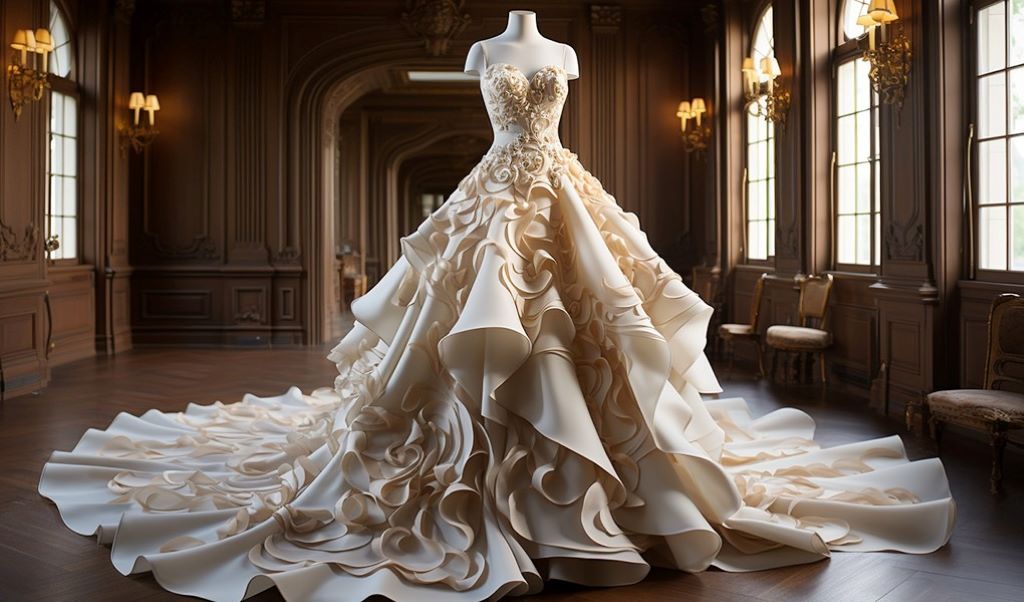
- Ball Gown: A fairytale favorite, the ball gown is characterized by a fitted bodice and a full, voluminous skirt. This dramatic silhouette is perfect for brides who want to make a grand entrance and channel their inner princess.
- Mermaid: Figure-hugging and glamorous, the mermaid silhouette follows the body’s contours from the bust through the hips and flares out dramatically below the knee, resembling a mermaid’s tail. This style accentuates curves and is ideal for brides who want to showcase their figure.
- Sheath: Sleek and sophisticated, the sheath silhouette skims the body from head to toe, creating a streamlined and elongated look. This minimalist style is perfect for brides who prefer a modern and understated aesthetic.
- Empire Waist: Romantic and ethereal, the empire waist silhouette features a high waistline just below the bust, with a long, flowing skirt that falls loosely to the ground. This style is particularly flattering on petite brides and those who want to create the illusion of length.
Decoding the Details: Necklines, Sleeves, and Trains
Once you’ve chosen your preferred silhouette, it’s time to explore the details that will personalize your gown. Necklines, sleeves, and trains each contribute to the overall look and feel of the dress, allowing you to express your unique style.
Necklines:
- Sweetheart: This classic neckline features a curved shape that resembles the top of a heart, accentuating the bust and creating a romantic feel.
- V-Neck: A flattering choice for many body types, the V-neck elongates the neck and draws attention to the collarbone.
- Strapless: A timeless option, the strapless neckline showcases the shoulders and décolletage.
- Halter: A halter neckline wraps around the neck, leaving the shoulders and back bare. This style is perfect for brides who want to showcase their arms and shoulders.
- Illusion: An illusion neckline features a layer of sheer fabric, often lace or tulle, over a sweetheart or strapless neckline, creating a delicate and romantic effect.
Sleeves:
- Long Sleeves: Elegant and sophisticated, long sleeves add a touch of formality and can be crafted from various fabrics, including lace, satin, or tulle.
- Short Sleeves: A versatile option, short sleeves offer coverage while keeping the look light and airy.
- Cap Sleeves: Delicate and feminine, cap sleeves cover just the shoulders, adding a touch of elegance without overwhelming the gown.
- Off-the-Shoulder: Romantic and alluring, off-the-shoulder sleeves fall just below the shoulders, showcasing the collarbone and adding a touch of bohemian charm.
Trains:
- Sweep Train: A subtle and practical option, the sweep train extends just a few inches behind the dress.
- Chapel Train: A classic choice, the chapel train extends about four feet behind the dress, creating a graceful and elegant effect.
- Cathedral Train: The most dramatic option, the cathedral train extends several feet behind the dress, making a grand statement and perfect for formal ceremonies.
Fabric Focus: Textures and Trends
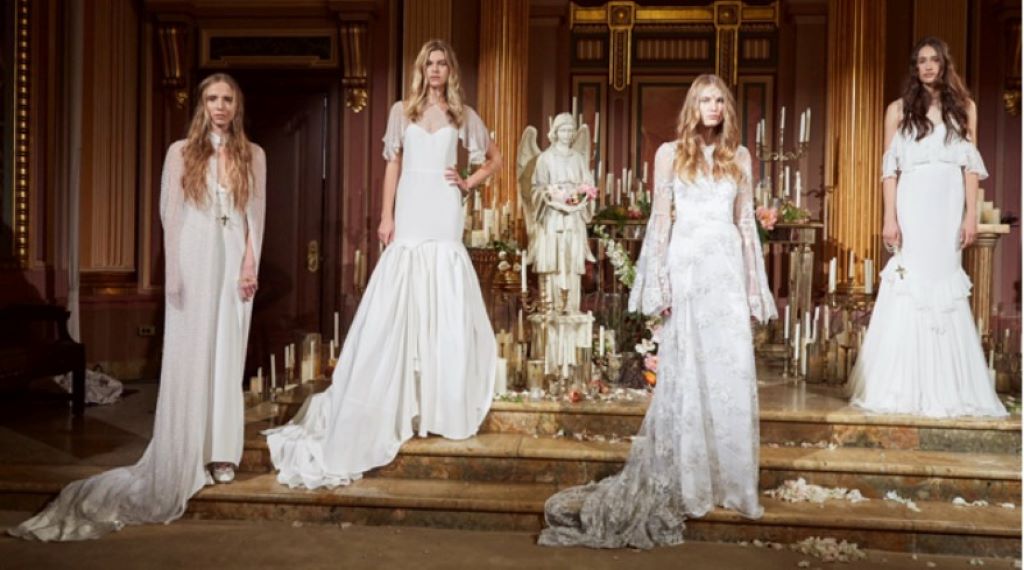
The fabric of your wedding dress significantly impacts its overall look and feel. From luxurious satin to delicate lace, each fabric brings its unique texture and drape to the design.
- Lace: A timeless and romantic choice, lace adds a touch of elegance and femininity to any gown. It can be used as an overlay, incorporated into the bodice, or featured in the sleeves and train.
- Satin: Known for its smooth and lustrous finish, satin creates a sophisticated and glamorous look. It drapes beautifully and is often used for A-line and ball gown silhouettes.
- Tulle: A lightweight and airy fabric, tulle is often used for creating voluminous skirts and romantic details like ruffles and overlays.
- Chiffon: Flowing and ethereal, chiffon is a popular choice for bohemian and beach weddings. Its lightweight nature makes it perfect for warm-weather celebrations.
- Mikado: A luxurious and structured fabric, Mikado is known for its crispness and subtle sheen. It’s often used for modern and architectural gowns.
Beyond the Basics: Embellishments and Personal Touches
Once you’ve considered the silhouette, neckline, sleeves, train, and fabric, it’s time to explore the embellishments that will add a personal touch to your gown.
- Beading: Intricate beading can add sparkle and dimension to your dress, creating a glamorous and eye-catching effect.
- Embroidery: Delicate embroidery can add texture and visual interest to your gown, from floral motifs to geometric patterns.
- Appliqués: Fabric appliqués, such as lace or floral motifs, can be added to the dress to create dimension and texture.
- Crystals: Sparkling crystals can add a touch of luxury and glamour to your gown, catching the light beautifully as you move.
Finding the Perfect Fit: It’s All About You
While understanding the different styles and details is essential, the most crucial factor in choosing your wedding dress is how it makes you feel. Here are some tips for finding the perfect fit:
- Know your body type: Understanding your body shape will help you choose a silhouette that flatters your figure and makes you feel confident.
- Consider your personal style: Your wedding dress should reflect your unique style and personality. Choose a gown that makes you feel beautiful and comfortable.
- Set a budget: Wedding dresses come in a wide range of prices. Determine your budget early on to narrow down your options and avoid overspending.
- Try on different styles: Don’t be afraid to step outside your comfort zone and try on different silhouettes and styles. You might be surprised at what you like.
- Trust your gut: Ultimately, the most important thing is to choose a dress that makes you feel beautiful and confident. When you find the one, you’ll know it!
How to Wear a Headband: A Complete Guide for Style, Functionality, and Comfort
Frequently Asked Questions about Wedding Dresses
Q: When should I start shopping for my wedding dress?
A: Ideally, start shopping 9-12 months before your wedding date. This allows ample time for browsing, ordering, alterations, and any unexpected delays.
Q: How many dresses should I try on?
A: There’s no magic number. Try on as many as you need to find the one that feels right. Don’t feel pressured to say “yes” to the first dress you like.
Q: What should I bring to my bridal appointments?
A: Wear nude undergarments and shoes similar in height to what you plan to wear on your wedding day. Bring inspiration photos and an open mind!
Q: How much do wedding dresses cost?
A: Wedding dress prices vary widely depending on the designer, fabric, and embellishments. Set a budget beforehand and be upfront with your consultant about your price range.
Q: Can I customize my wedding dress?
A: Many bridal salons offer customization options, such as adding sleeves, changing the neckline, or adding embellishments.
Q: What if I lose or gain weight before the wedding?
A: Don’t worry! Most bridal salons offer alteration services to ensure your dress fits perfectly on your wedding day. Schedule your final fitting a few weeks before the wedding.
Beyond the Traditional: Embracing Modern Trends
While classic styles remain timeless, the world of wedding dresses is constantly evolving. Modern brides are embracing new trends and pushing boundaries, creating unique and personalized looks.
- Jumpsuits and Pantsuits: For the fashion-forward bride, jumpsuits and pantsuits offer a chic and contemporary alternative to the traditional gown.
- Two-Piece Sets: Separates, such as a crop top and skirt or a lace top and pants, allow for versatility and a modern, fashion-forward look.
- Short Dresses: Perfect for casual or destination weddings, short dresses offer comfort and style while breaking from tradition.
- Colored Dresses: While white remains the classic choice, brides are increasingly embracing color, from blush pink to bold red, to express their individuality.
- Sustainable Options: Eco-conscious brides are opting for dresses made from sustainable materials or choosing vintage or pre-owned gowns.
The Final Word: It’s Your Day, Your Dress, Your Way
Choosing a wedding dress is a personal and emotional experience. There’s no right or wrong answer, only the dress that makes you feel like the most beautiful and confident version of yourself. Embrace the journey, explore different styles, and trust your instincts. After all, this is your day to shine, and your dress should reflect your unique personality and style.
Remember, the perfect wedding dress is the one that makes you feel like a bride, ready to embark on the most magical journey of your life.
Read More:
How to Wear a Shawl: A Comprehensive Guide for Style and Comfort
How to Wear a Watch: A Comprehensive Guide to Elegance, Comfort, and Functionality